In a busy hospital, medical decisions often happen quickly. But for patients and families navigating serious illness, it’s also important to have time to understand their options, consider what matters most to them, and think about what comes next.
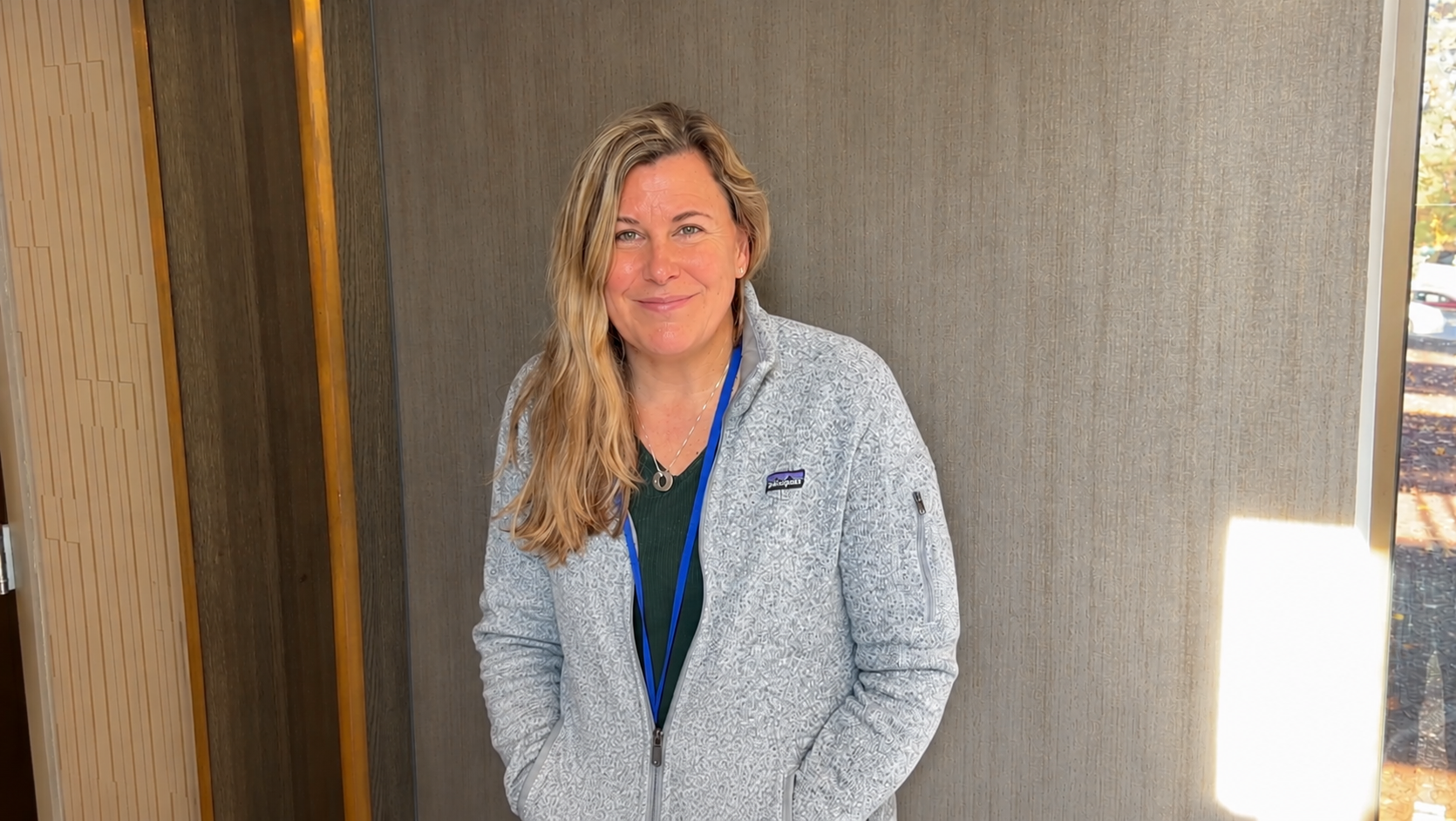
That’s where Bethany Sheahan, NP, ACHPN, comes in. As a HopeHealth palliative care nurse practitioner at Rhode Island Hospital, Beth helps patients and families navigate difficult decisions, manage symptoms and make sure their wishes are heard.
She takes us inside this work, from the conversations that guide treatment decisions to the teamwork that makes it all possible.
> Living with a serious illness? Learn about palliative care.
HopeHealth: What does a typical day look like for you as a hospital-based palliative care NP?
Beth: Every day is different. I might see someone being treated for cancer, someone recovering from surgery, or someone who’s been hospitalized with an acute injury. We care for patients of all different ages, with an incredible range of diagnoses.
Most of our work centers on two things: symptom management and goals of care. We’re meeting with patients and families, talking with nurses and medical teams, helping people understand their options, and making sure that information gets communicated to everyone involved.
I think that’s one of the really interesting things about this role. So much of medicine is highly specialized, but in palliative care, we’re often working across all these different specialties. The medical situations can be completely different, but there’s a commonality: the human being, and what they’re hoping for.
You’ve talked about giving patients an opportunity for a “thoughtful time-out.” What does that mean?
Medicine moves so fast, and sometimes it absolutely has to. But one of the things I find most meaningful about palliative care is that we have an opportunity to pause and make sure the care being offered is consistent with what the patient wants.
We start by asking questions. What do you understand about your illness? What have your medical teams told you? What are you hoping for? What are you worried about?
We also talk about the best possible outcome and the worst possible outcome, and what different treatments might mean for someone’s life afterward.
Sometimes, as we explore those questions, we discover there’s something standing in the way of a decision. Maybe someone doesn’t want a particular treatment because they’re afraid of pain. Well, we can help with that! We can talk about what they’re worried about and whether there are ways to address those concerns.
It’s really about being curious, understanding where someone is coming from, and helping them make decisions that reflect their wishes.
You work with so many different medical teams. How do you help bring everyone together?
A big part of our role is communication. We’re often helping patients and families understand complex medical information, and we’re also helping their care teams understand what matters most to them.
When I meet with a patient, I want to hear their understanding of what’s happening, what concerns they have, and what they’re hoping to achieve. Maybe their biggest hope is to get back to the level of independence they had before they became ill. That’s important information for everyone involved in their care.
Sometimes we’re also helping family members who have different understandings of the situation or different opinions about treatment.
We’re bringing all those conversations together, with the goal of keeping the patient’s voice at the center of everything.
Beyond helping with treatment decisions, how else can palliative care make a difference during a hospital stay?
We really focus on the patient’s day-to-day experience. How are you feeling? What could we make better? How can we help you be more comfortable, eat better or sleep better?
Being in the hospital isn’t easy. You might have pain from an illness or injury, side effects from treatment, or difficulty sleeping because there are people coming in and out of your room.
Our team has the opportunity to focus specifically on those burdens and look for ways to help. It’s an important part of what we do, alongside all those bigger conversations about goals of care.
What would you want another nurse practitioner to know about working in palliative care?
First, you will never be bored! I love the variety of patients and medical specialties we work with. Every day brings something different, and there’s always something to learn.
The other thing I’d want them to know is that you’re never alone in this work.
Before I made the transition to palliative care, I had some anxiety about what it would be like to have these difficult conversations. But I have an incredible team that I can turn to daily, even hourly, to talk through situations and ask questions.
And beyond our own palliative care team, we’re working with so many other specialists. You’re really partnering with all these different people to provide the best care possible for the patient.
For me, that’s part of what makes this work so meaningful.