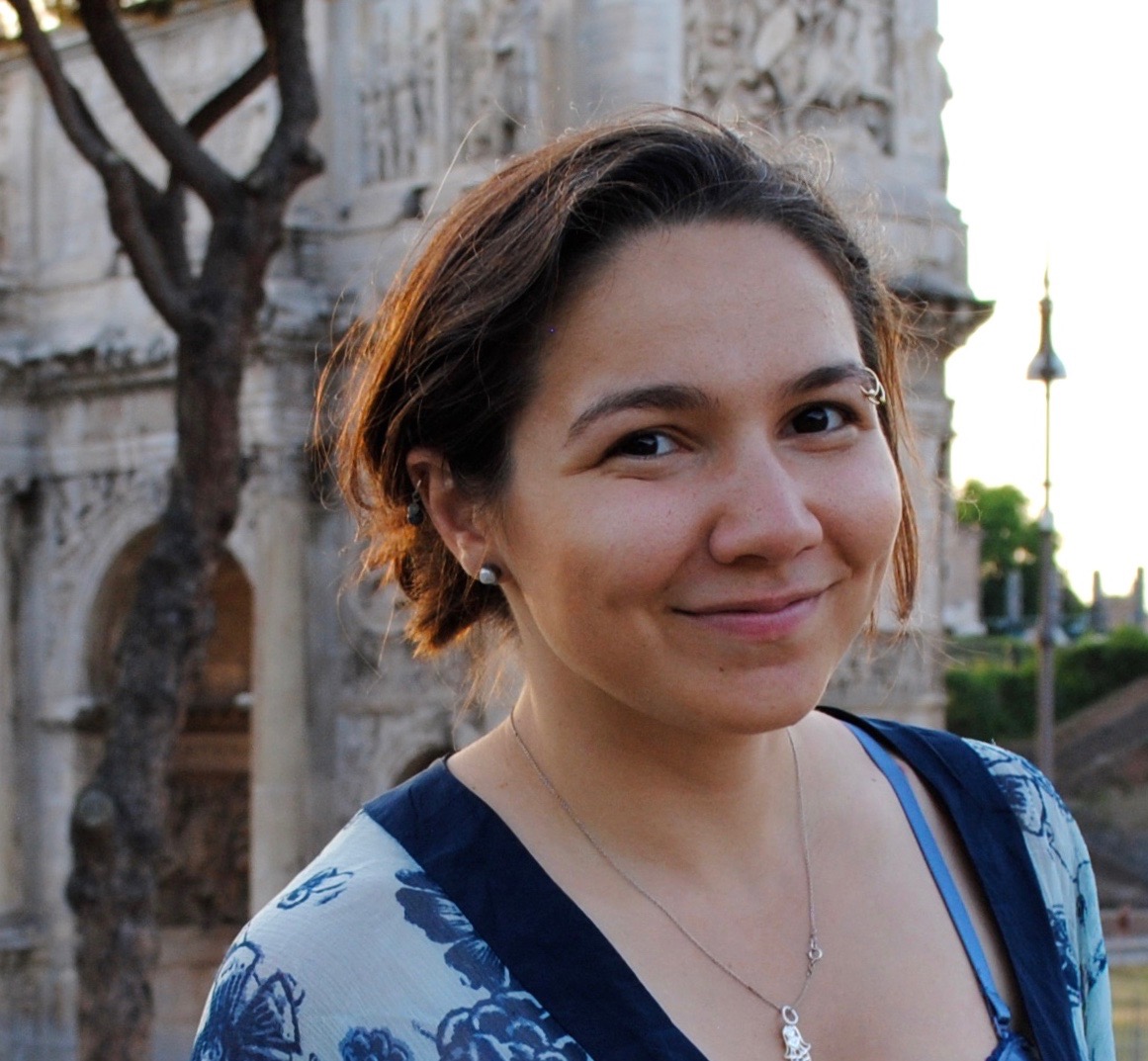
When many people hear the word “chaplain,” they picture someone offering prayers at a bedside. But on HopeHealth’s Pediatric Palliative Care program, chaplain Gabrielle Sclafani, MDiv, is just as likely to be building a miniature room with a teenager, organizing a family picnic or reading a picture book aloud.
That’s because healthcare chaplains, including hospice and palliative care chaplains like Gabrielle, see spiritual support as being much broader than religion.
“Spirituality is ultimately about connection,” says Gabrielle — whether that’s to a greater power, to something that brings you joy, or to the people around you. It can encompass everything from sharing a meal to enjoying a beautiful day.
For patients and families navigating serious illness, that connection can be especially important, often offering comfort that medical remedies alone may not provide.
Here are five things Gabrielle does with patients and families — including some you might not expect from a chaplain.
1. Spending time in nature
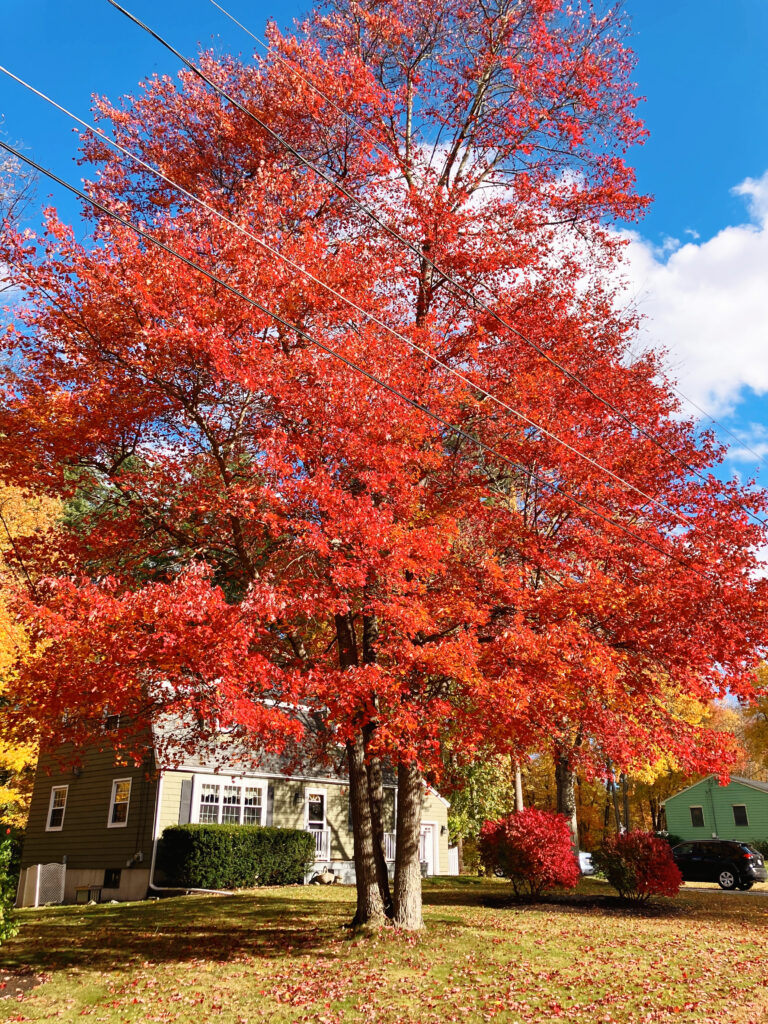
When Gabrielle meets a child and their family, she always starts by learning what’s important to them. For one child, that’s being outdoors. One beautiful afternoon last fall, he and Gabrielle were out exploring his neighborhood, admiring the changing leaves. When they turned a corner and came upon a bright red tree, he was captivated.
“That tree is stunning. Will you take a picture of me in front of it?” he asked Gabrielle.
It was exactly the kind of small, everyday moment that brings a deeper sense of connection.
“This is not a patient who talks to God or prays,” Gabrielle says. “But to me, that was a spiritual practice, taking that time outside together and experiencing that tree.”
> Read: What does spiritual care mean in a hospice setting?
2. Hosting potlucks & picnics
Gabrielle regularly organizes potlucks and picnics for Spanish-speaking families in the Pediatric Palliative Care program. At a recent gathering, guests included a grandmother, an aunt and a cousin.
“It’s simple, but it’s also powerful to come together with others to share food,” Gabrielle says. “For these families, it represents a place they know they’re welcome, that’s accessible for their child, where they can get to know other families who understand some of what they’re experiencing.”
3. Visiting with a therapy dog
HopeHealth’s Pediatric Palliative Care program includes a therapy dog, Oliver, and Gabrielle sometimes visits patients alongside him and his owner, Madi Skrutski.
“Animals can offer that sense that we’re loved unconditionally,” she says. “They absolutely foster that connection at the heart of spirituality.”
Gabrielle sees another benefit for children who spend much of their time receiving medical care. When so much physical contact involves examinations or treatments, the gentle touch of an animal can offer a different kind of comfort.
“It’s an affirmation of our humanity, as well as of our own sacredness,” she says.
4. Building or making something together
Some of Gabrielle’s patients have muscular dystrophy and may need assistance with everyday activities their peers can do independently. She’s been looking for ways to help these teenagers experience the satisfaction of making something themselves.
Lately, they’ve been building miniature rooms together, like individual rooms from a dollhouse. They’ve also worked on a shelf for one patient’s baby cousin. Gabrielle gathers the supplies and lends a hand when needed, perhaps helping turn a few screws. Beyond that, the teenagers can do much of the work themselves.
For these patients, it’s more than a craft project. When a physical condition means other people often do things for you, making something with your own hands affirms your capability and your dignity.
“That’s really beautiful to witness the sense of accomplishment,” Gabrielle says, describing the feeling as, “Wow, I didn’t think I could do that. And I did.”
5. Reading aloud
Gabrielle grew up being read to every day by her mother, a school librarian. Now she brings books to many of her patient visits, especially with children who are nonverbal and may enjoy listening to someone’s voice. She particularly likes illustrated biographies and other children’s nonfiction.
On one visit, as Gabrielle was reading to a young patient, the girl’s mother stopped what she was doing and sat down to listen, absorbed in the story herself.
“I had never seen this mom as relaxed as she was listening to me read this children’s book aloud,” Gabrielle recalls. That shared moment of listening was itself a kind of spiritual practice — for both the child and the parent.
When Gabrielle shared what happened with a colleague, the colleague agreed. “We have to read a story every time,” she said.
Starting with what matters
When families hear that Gabrielle is a chaplain, many of them react by telling her that they’re not religious or spiritual. She’ll reassure them that that’s completely fine — that she often supports patients and families in ways that might surprise them.
It’s just a matter of learning what matters to them.
“Think about what connects you to other beings, and what makes you feel connected to that which is beyond you, which you cannot see you,” Gabrielle suggests. “Anything that fosters that connection is a spiritual practice.”