Many people confuse palliative care with end-of-life care. But in truth, palliative care doesn’t mean someone is dying. It’s for any stage of a serious illness.
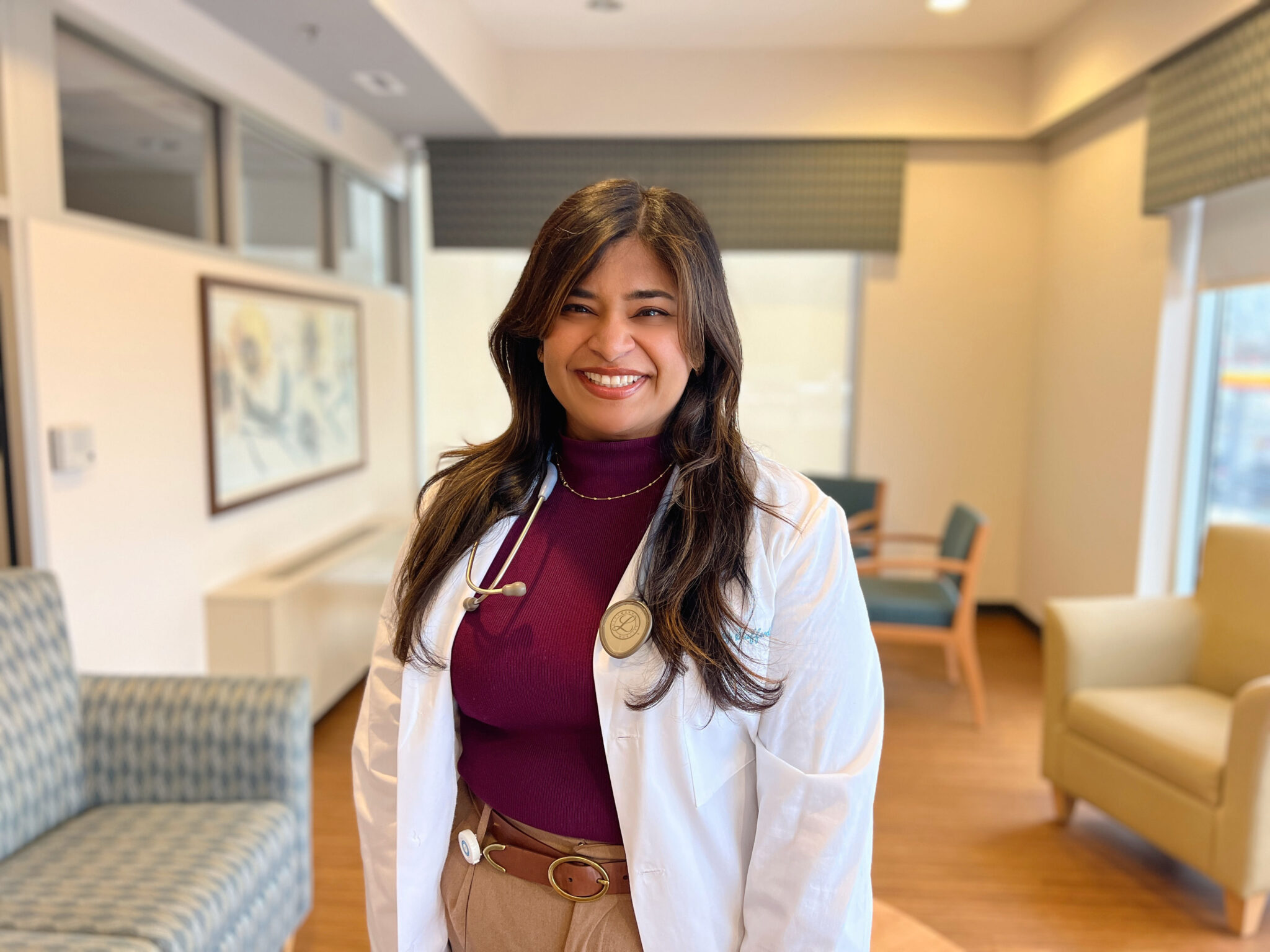

Many people confuse palliative care with end-of-life care. But in truth, palliative care doesn’t mean someone is dying. It’s for any stage of a serious illness.

When 64-year-old Reno first heard about palliative care to help with his chronic illness, he resisted. Now, he calls it a “game changer.”

Palliative care is one of medicine’s fastest-growing specialties, which means it will soon be available in more settings. Here’s a guide.

No matter what stage of life you’re in, set aside time now for key health decisions. It’s a gift to your family, and yourself.
For people living with a serious illness, palliative care social workers help with everything from day-to-day stressors to big-picture decisions.
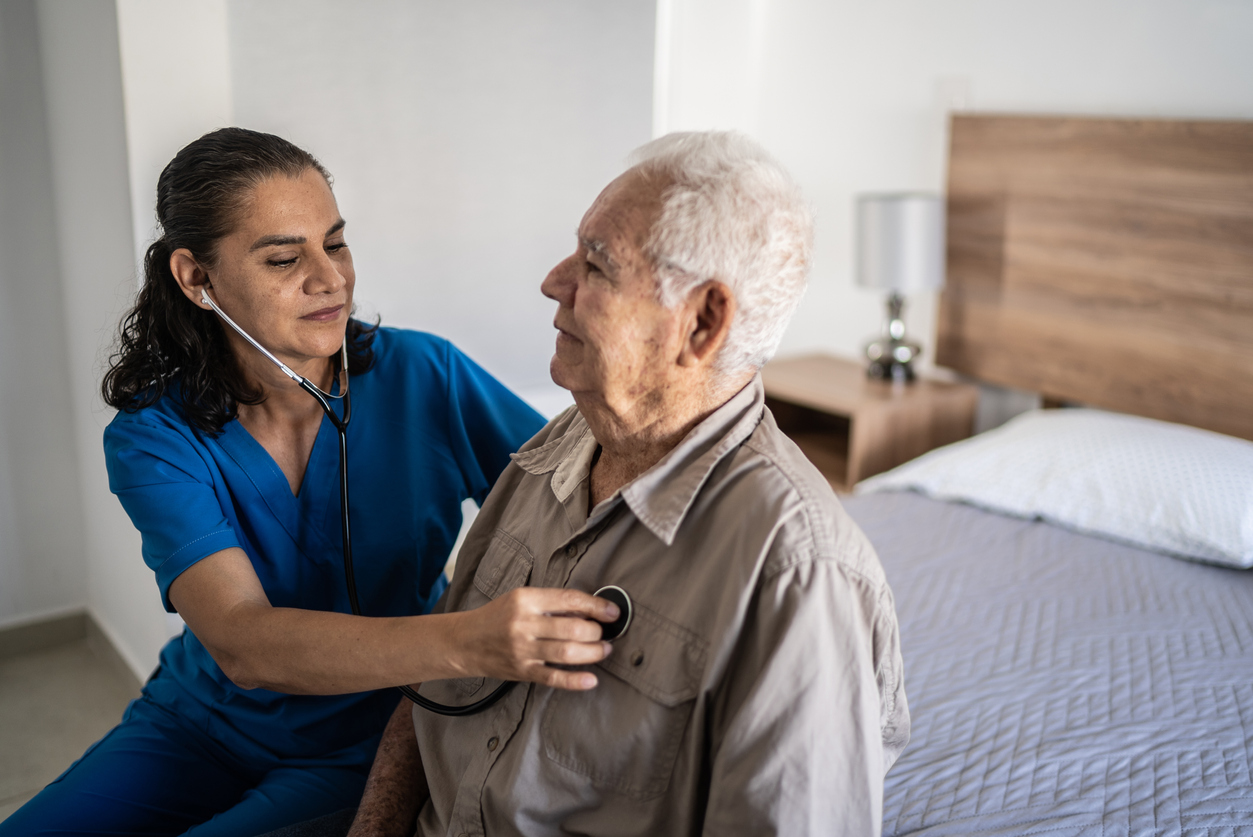
HopeHealth’s Advanced Illness program provides palliative care to patients in the later stages of serious illness — right in the comfort of home.

Palliative care offers extra care, information and guidance for anyone living with a serious illness. Here’s how it helps with liver disease.

For people living with Alzheimer’s or another dementia, palliative care means extra support for quality of life — theirs, and their family’s.
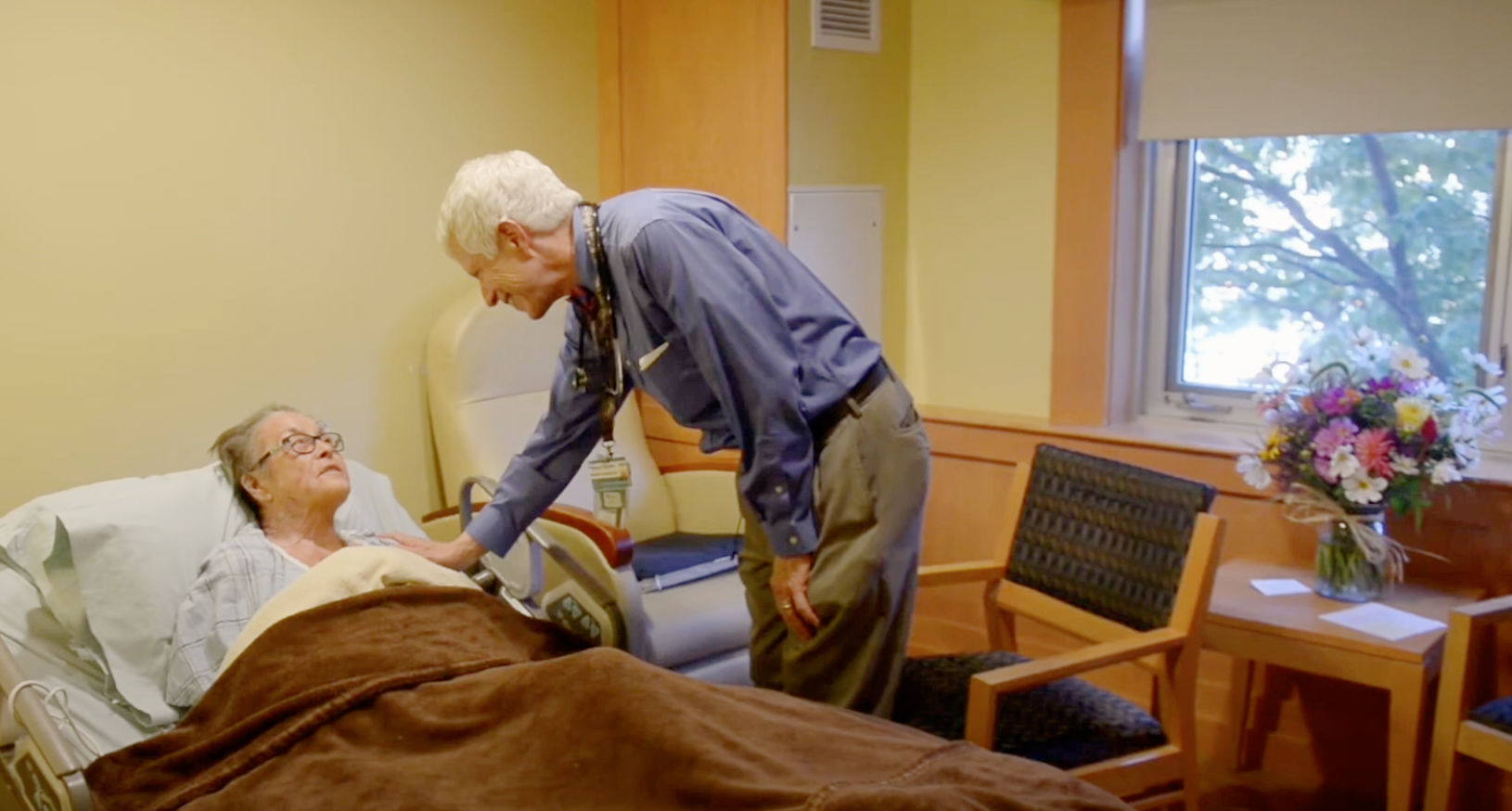
In his 35 years at HopeHealth, Chief Medical Officer Edward W. Martin, MD, has changed this organization. And in return, it’s changed him. In this Q&A, he shares how.

For people living with a lung disease like COPD, palliative care means extra support for symptoms, and crucial information for the road ahead.