
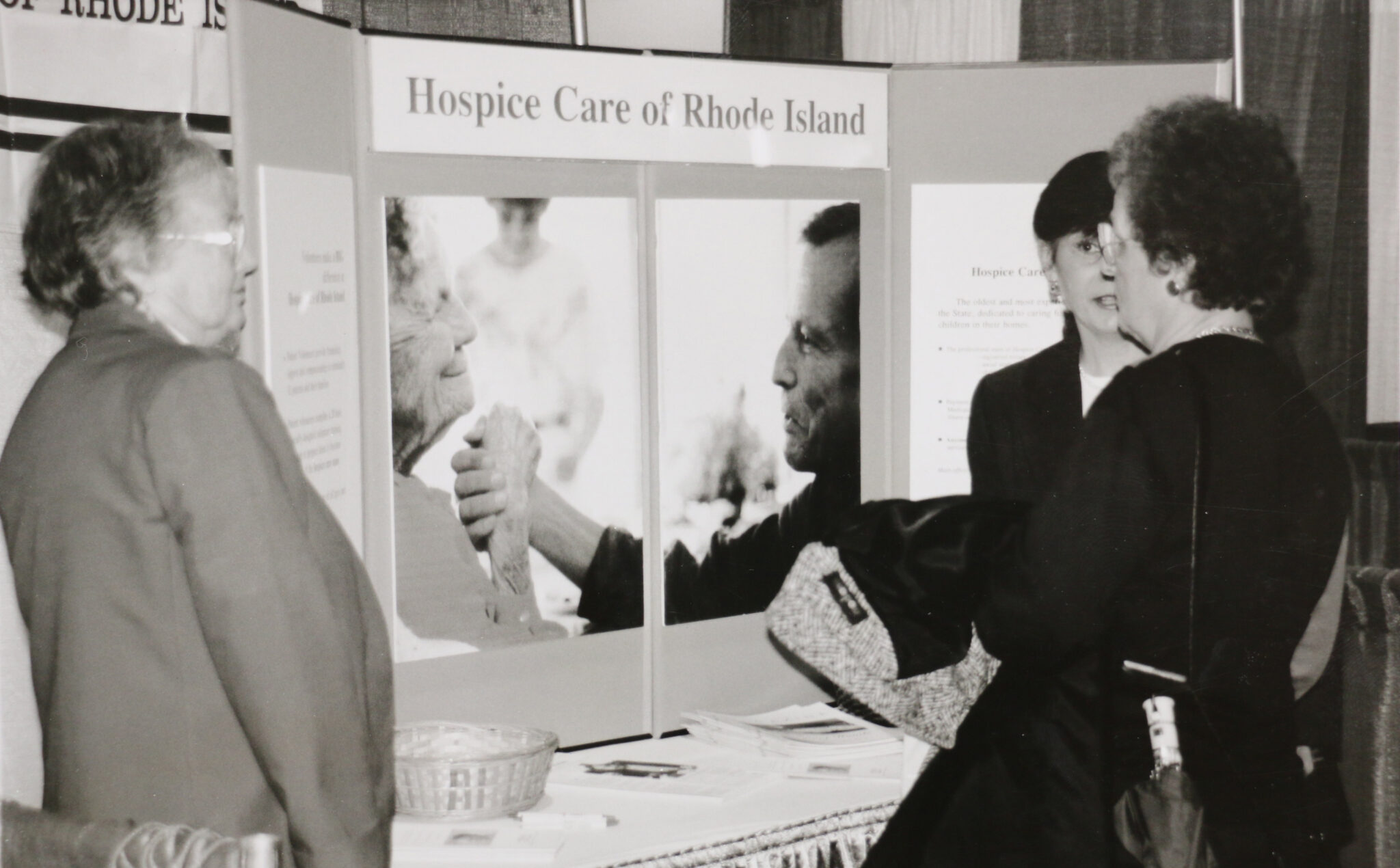
In 1976, when most Americans had never heard of such a thing as hospice, a small group of volunteers came together in Rhode Island. They wanted to bring compassionate, end-of-life care to their community — and blaze a trail for other communities to do the same.
“Our founders were visionaries: When they created HopeHealth, they created a type of health care that did not yet exist in our communities,” says Diana Franchitto, MBA, FACHE, HopeHealth’s president & CEO.
As HopeHealth celebrates its 50th anniversary, we’re reflecting on the milestones along the way.
> Our History, At a Glance: 50th Anniversary Timeline
The beginning: A new kind of care
The modern hospice movement took shape in England in the 1960s under a pioneering nurse, social worker and physician by the name of Cicely Saunders. Soon, it caught the attention of community leaders in the U.S. — including Rhode Island’s Dr. Stanley Aronson, founding dean of Brown University’s medical school, and the Rev. Charles Baldwin, Brown’s university chaplain.
The scientist, the spiritual leader and a group of volunteers began working together to bring hospice to Rhode Island.
“You have to really appreciate the vision and commitment of our founders,” says Edward W. Martin, MD, MPH, FAAHPM, HopeHealth’s chief medical officer. “The fact that the dean of a medical school was championing hospice — at that time, it would have been almost unthinkable.”
In 1976, they established the nonprofit organization known today as HopeHealth. Only one other hospice existed in the U.S., across state borders in Connecticut. Medicare and other insurance providers did not yet recognize or cover hospice services, so HopeHealth ran entirely on volunteers — a foundation that remains today, with volunteers as an integral part of the organization.
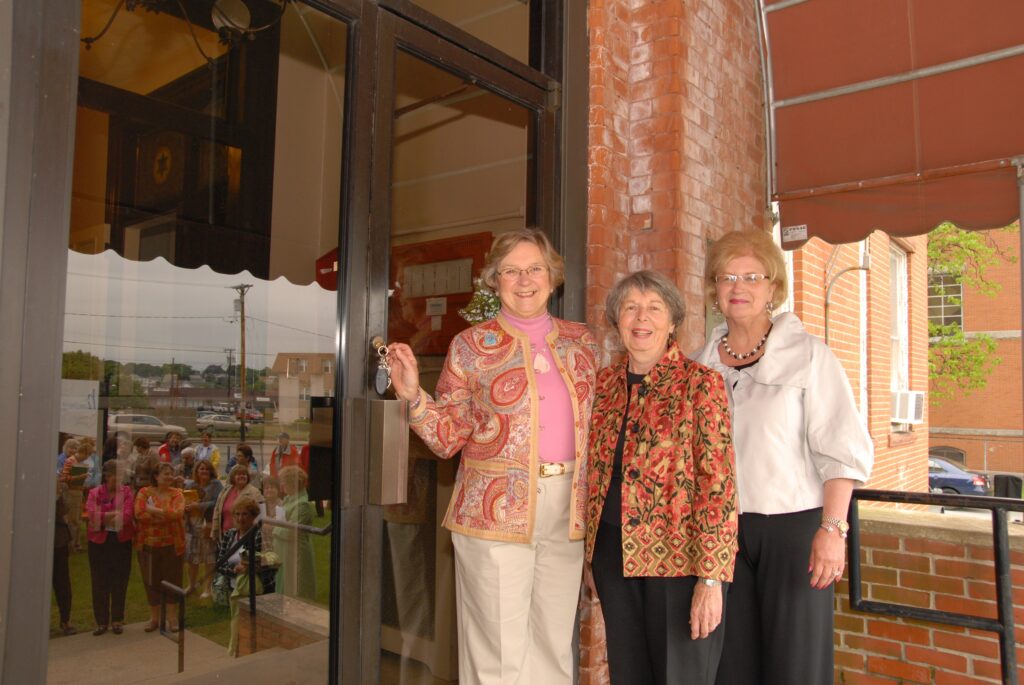
Barbara Brown of East Providence was among those early volunteers and, later employees — and 45 years later, still volunteers with HopeHealth.
“From answering the first phone call to welcoming families through the doors, every role matters,” Brown says.
A model for compassionate care
From the beginning, HopeHealth embraced an interdisciplinary approach to care — bringing together nurses, physicians, social workers, chaplains, hospice aides and volunteers to support patients and families as a team. With this team approach — then a novel concept — hospice became a model for how things should be done in healthcare.
It was also a model for human-centered care, emphasizing respect and dignity for every patient. Throughout the 1980s and early 1990s, as HopeHealth grew and merged with other organizations in the state, it became a crucial provider for patients affected by the AIDS crisis, offering compassionate, skilled care at a time of great stigma and uncertainty. Dr. Martin joined the organization in 1987, around the height of the crisis.
“The passion and commitment that I saw from all of our staff and volunteers — it was remarkable. And that’s something I still see today,” Dr. Martin says.
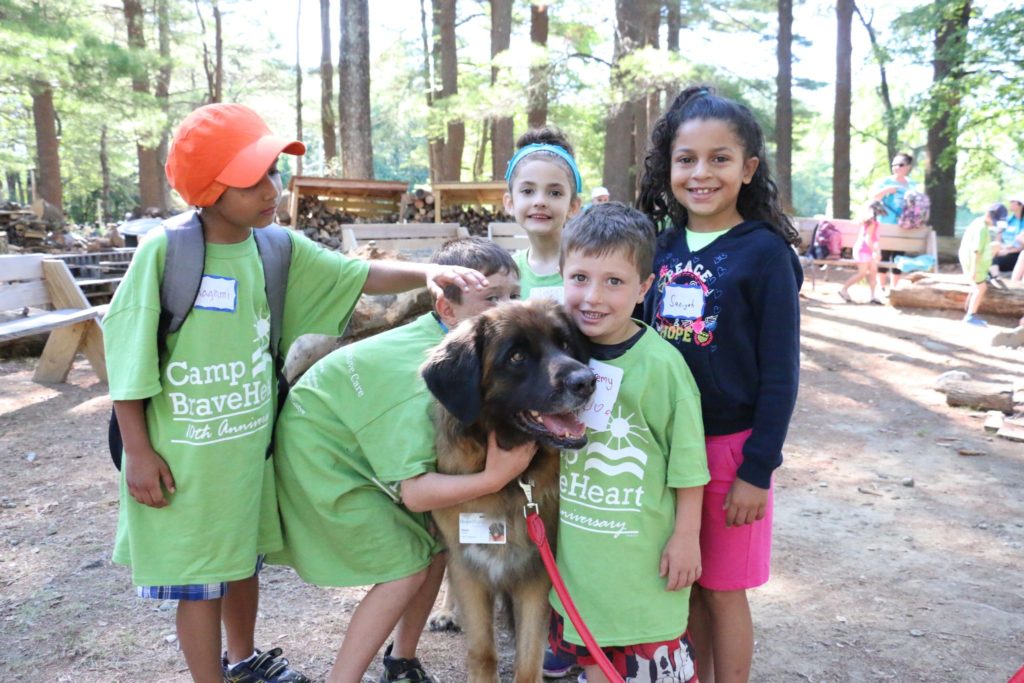
As HopeHealth cared for patients through illness and loss, it also deepened its commitment to the people left behind. Grief support, always a core part of its mission, grew with the organization — offering counseling, groups, and a growing number of programs for adults, children and families navigating loss. In 2007, that commitment took a particularly meaningful shape with the launch of Camp BraveHeart, a free summer camp for children grieving the death of a loved one.
Introducing inpatient hospice care
As hospice evolved, HopeHealth’s leaders began looking for even more ways to help patients with the most complex medical needs, who often ended up in the hospital during their final days. Long-time board member Arthur S. Robbins made it his mission to create that option, rallying community support for a dedicated inpatient hospice center.
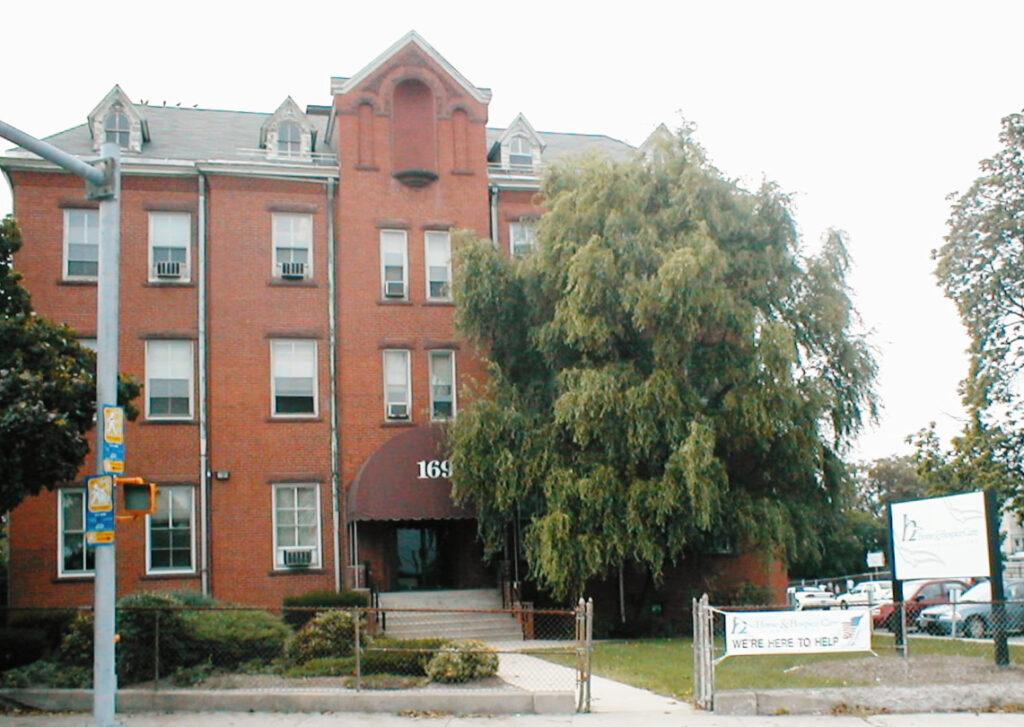
In 1993, the opening of HopeHealth’s Hulitar Hospice Center in Providence marked a turning point. In 2009, the center relocated to its current location on North Main Street in Providence — a freestanding, peaceful space designed entirely around patients and families.
“Having our own space changed everything,” Dr. Martin says. “It gave us control over the environment, the care, the experience. Our most complex patients finally had a place where symptoms could be managed well.”
Today, the Hulitar Hospice Center remains the only freestanding hospice center in Rhode Island and the region.
Teaching & reaching more communities
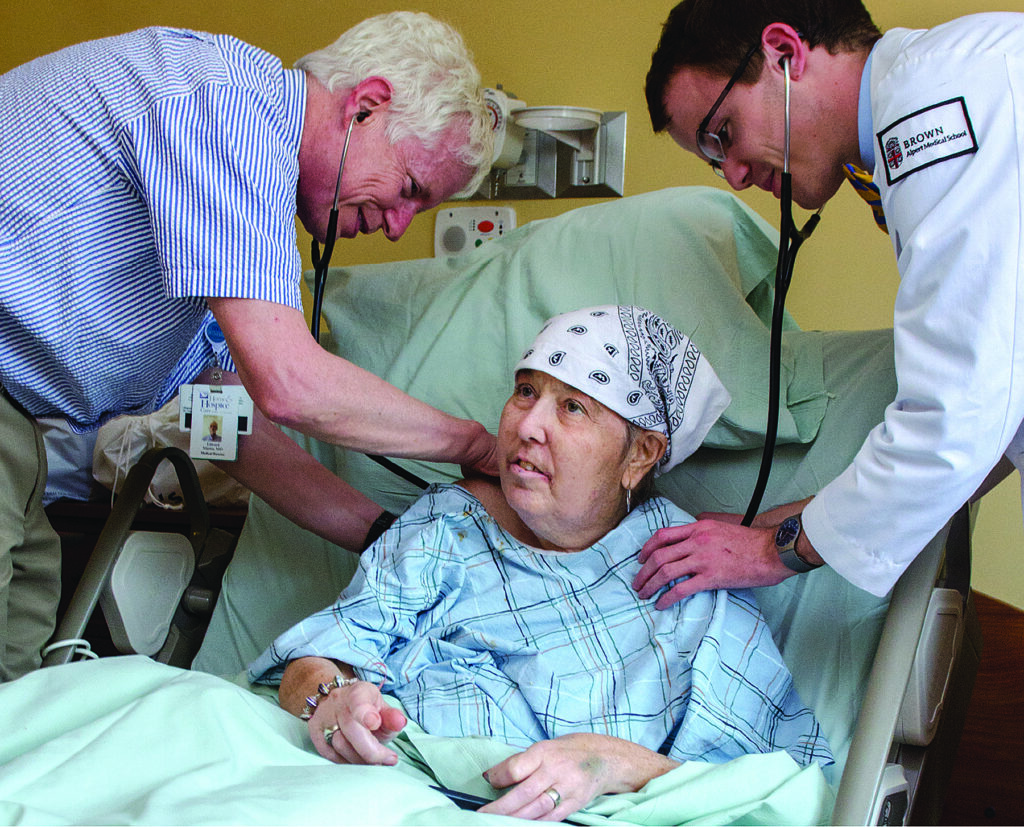
Education has always been ingrained in HopeHealth’s work, starting with the medical school dean and chaplain who sparked its founding. Encouraged by example, Brown University medical students and residents often spent time with HopeHealth clinicians — visiting the Hulitar Center, joining home visits, and gaining critical education in palliative and hospice care. In 2012, HopeHealth formally became the major teaching affiliate for hospice and palliative medicine at Brown’s Warren Alpert School of Medicine, and helped launch a hospice and palliative care medical fellowship that has since trained 28 physicians.
Meanwhile, HopeHealth began seeing more and more patients for hospice and palliative care every year, caring for them in homes, assisted living communities, nursing facilities — and hospitals. Often, that included patients who resided in nearby Massachusetts. In 2016, HopeHealth expanded across state borders, extending its services to the Bay State’s Bristol, Plymouth and Norfolk counties.
“We were already caring for patients who lived in Massachusetts but were coming to Rhode Island hospitals. Why lose that continuity of care just because of a border?” says Dr. Martin. “And it meant we could offer our care and services to more communities, reaching patients and families who need us most.”
Even amid the fear of the COVID-19 pandemic, that commitment held. While many healthcare settings restricted visitors, HopeHealth made a deliberate commitment to remain open and accessible — continuing to accept all patients and allowing 24/7 family presence at the Hulitar Hospice Center.
“Families belong together at the end of life,” Dr. Martin says. “That belief guided us. It was about staying true to who we are. Even today, I still hear feedback that other settings were grateful that we served COVID patients throughout the pandemic.”
Read: What’s the difference between hospice & palliative care?
Caring for every age, every stage
In recent years, HopeHealth has continued to grow and evolve to meet the changing needs of the community.
“As a nonprofit, HopeHealth measures success by how well we serve our communities — the families who live here, the healthcare professionals who work here, the medical students who study here, and beyond,” says Vince Mor, PhD, chairman of the HopeHealth board of directors. “That commitment will continue to define HopeHealth in the decades to come.”
For many, HopeHealth’s commitment takes shape as education — year-round, HopeHealth’s clinical educators lead popular classes, resources and guidance for healthcare professionals, as well as family caregivers. For other families throughout the region, it comes as free grief and caregiver support groups.
And of course, for thousands of patients and families each year, it comes from direct care. Today, HopeHealth is a regional leader in hospice, palliative care and dementia care across Rhode Island and southeastern Massachusetts. In addition to hospice at home and in the Hulitar Hospice Center, its palliative care and hospice physicians are embedded in a growing number of regional hospitals and care facilities, helping patients and families navigate complex health decisions earlier and with greater support. In 2021, HopeHealth launched Pediatric Supportive Services, creating a specialized hospice program for seriously ill children and their families. Two years later, it introduced Advanced Illness Care as a home-based palliative care option for patients in the later stages of a serious illness who are not yet ready for hospice.
With each program, HopeHealth not only serves its own communities better — but continues to pave the way for other health systems and communities.
“Over the decades, HopeHealth has walked beside individuals and families during some of the most vulnerable moments of their lives, and we have helped shape the evolution of hospice and palliative care across the country,” says Franchitto. “It is an honor to carry this mission forward.”
50 years later, what stays the same
As this organization marks its 50th anniversary, the entire HopeHealth community is reflecting on what has changed in the past five decades — and all that remains the same.
“When I joined this organization, what struck me immediately was how deeply people cared — not just about doing the work, but about doing it with compassion and dignity,” says longtime HopeHealth leader Sandra Wilkerson, RN, who served the organization for more than two decades and retired in 2024 as vice president of clinical integration. “Things have come a long way in the past 50 years — but the incredible commitment of our staff is unchanged.”