
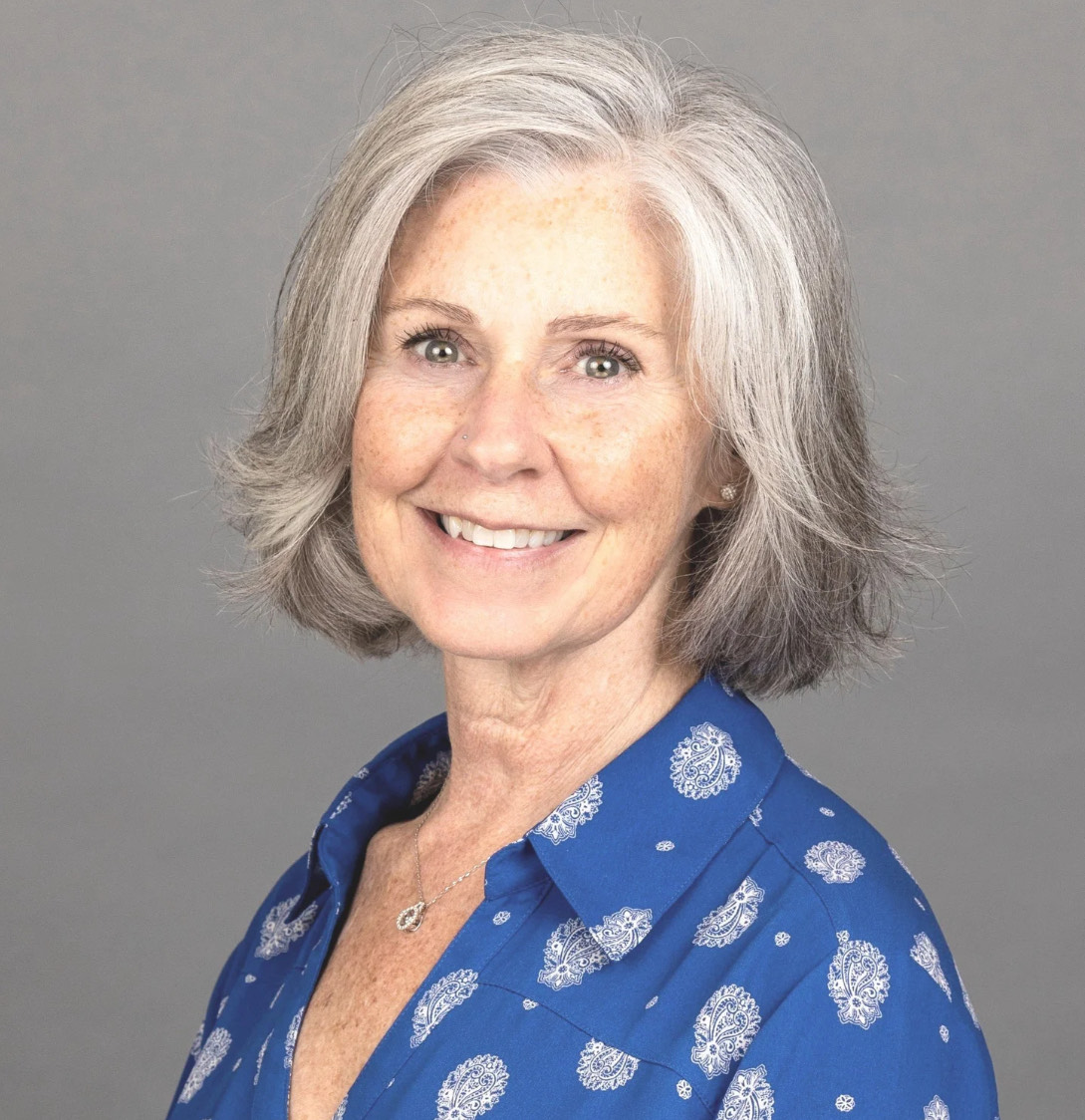
Lisa Fortune Creeden has a gift for supporting people in their final chapter. She shares it professionally, in her work as an end-of-life doula. And she shares it personally, as a HopeHealth volunteer — through companionship visits with hospice patients.
Here, she reflects on one unforgettable experience.
> HopeHealth is looking for companionship volunteers. Learn more!
Finding a connection
Lisa: For eight months, I companioned Margaret, a hospice patient living in a care facility in northern Rhode Island, as part of my volunteer work with HopeHealth.
Margaret was in the late stages of dementia, and our visits were shaped by her limited ability to converse. Most of her attempts at speech were indistinct. Her emotional state was often marked by sadness, expressed through tears and a distraught demeanor.
Guided by background information from her family, who lived nearby, I tried to reach her through stories about her family and the beaches in Rhode Island, which she loved. Occasionally, Margaret responded with a brief smile. Conversation rarely soothed her for long, though.
Over time, I found one thing that could — a love of music.
When music reached her
Margaret’s family had told me about her fondness for Frank Sinatra and dance. I began incorporating familiar melodies into our visits.
People living with dementia can often remember music, because the neural pathways associated with music are less affected by neurodegeneration than other memory-related areas. Listening to familiar music activates diverse regions of the brain involved in emotion, memory, and movement, which enables patients to recall songs and sing, even when verbal and other cognitive functions have declined.
I witnessed this with Margaret, who could sometimes sing a few words of her favorite songs, including “Strangers in the Night” and “My Way,” before the shadows of sadness would cross her face again.
One bright fall day, I arrived and found Margaret awake in her bed. As I greeted her and pulled a chair up close, I noticed a smile on her face and a gentle, intent look in her eyes. She looked like she was basking in the sunlight that was streaming through a window near her bed.
Something felt different — she was fully present in a way I had not seen during my eight months of visits.
> Read: 12 music activities & tips for someone with dementia
A different kind of visit
That day, I showed Margaret framed photos of her children and husband to look at, and reminded her how much they loved her. I told her I knew she was the best wife and mother. Her smile deepened. She was taking my words in.
Then I opened a music app and played a melody of songs by Frank Sinatra. She began to sing along.
In previous visits, I had gently tapped the beat of the music on Margaret’s arm or hands, hoping to connect us through the rhythm. She had never really responded. But on this day, she reached out to me with both arms, her face radiant with joy.
I took her hands in mine, and together we “danced,” swaying to the music.
Margaret was not passively following my movements; she was fully engaged, actively moving to the beat. I was following her lead. She even began tapping her fingers to the beat of the music on my hands.
Between songs, she spoke clearly and coherently, and even called me a “hot ticket,” which made me laugh. It was as though a curtain had lifted, revealing the lively, affectionate woman she was.
When I told her it was time for me to leave, she replied, “Not yet,” with a big, beautiful smile that reached from her bright blue eyes to the corners of her mouth. She expressed herself perfectly. I stayed, and we had a few more songs and dances.
What stays with me
Before I left, Margaret gently kissed my hands. I wondered if she was dancing with me, or perhaps with the memory of her husband, children or grandchildren. It didn’t matter — she was happy and content.
Reflecting on this extraordinary visit, I considered whether she was experiencing terminal lucidity, an end-of-life rally. If so, I was grateful that she was able to find joy and happiness that afternoon. I felt privileged to have witnessed her at peace.
Margaret passed away a few days later, but her smile and the memory of her happiness on that special day remain with me.