Brown University medical students partner with HopeHealth volunteers to practice the art of listening — and shape more compassionate care for future patients.


Brown University medical students partner with HopeHealth volunteers to practice the art of listening — and shape more compassionate care for future patients.

When does palliative care end and hospice begin? Where do their services differ? And how does insurance factor in? An expert explains all this, and more.
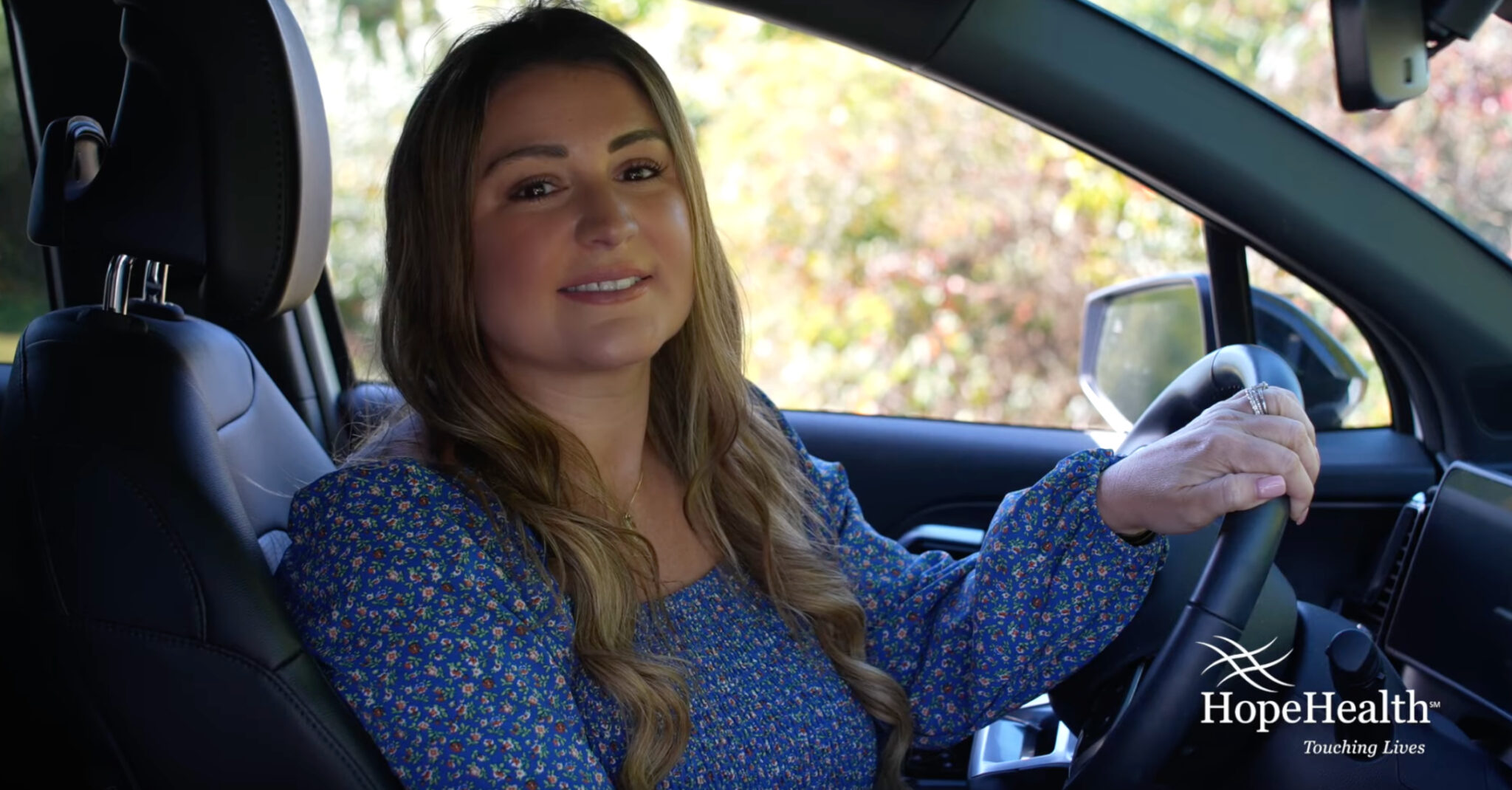
“Dignity means listening and giving people choices.” Meet Carly DiBiasio, NP, ACHPN, who helps patients and families find comfort, clarity and control through HopeHealth’s palliative care program.

Caring for a loved one who served can be complex. HopeHealth’s new Veterans Caregiver Support Group offers understanding, connection and resources for families walking this unique journey.

Every serious illness journey is unique, but the good communication in palliative care is universal. Here are a few questions your team will likely ask you, and why.
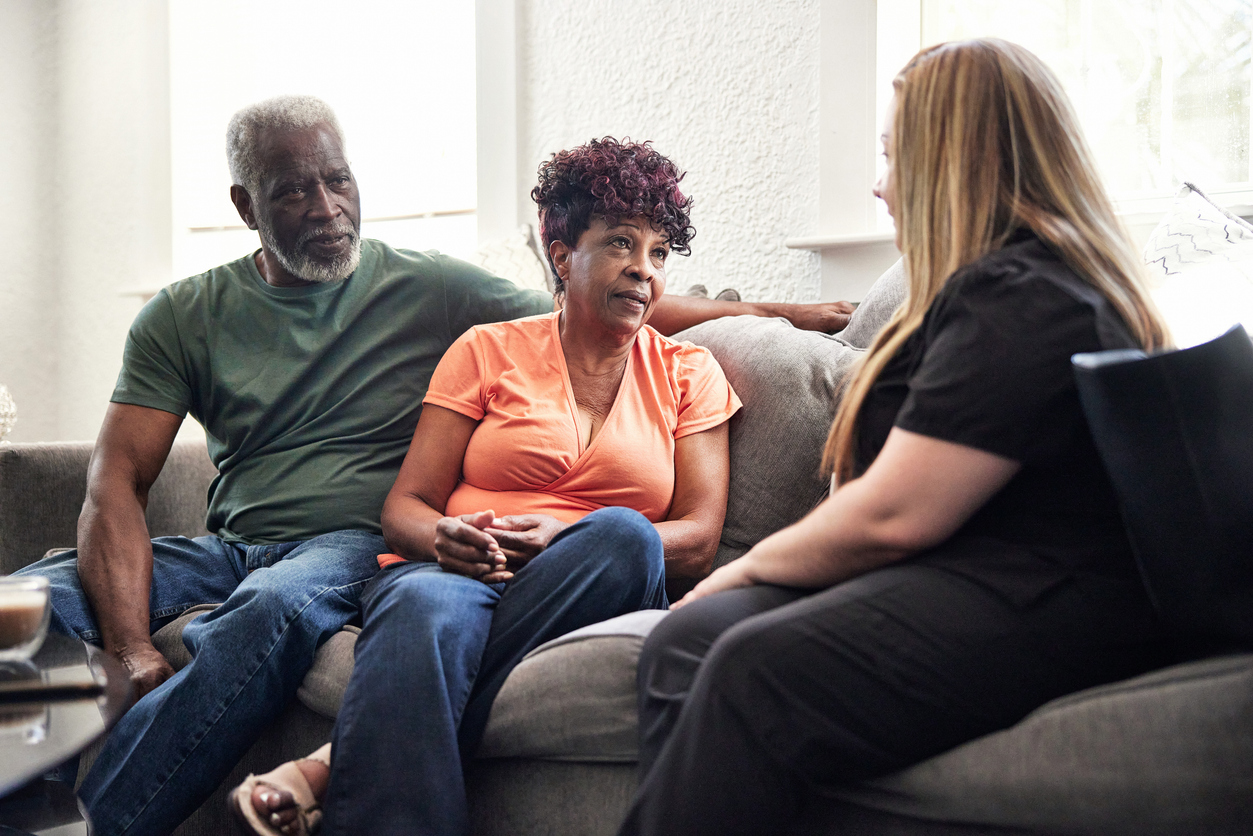
Caring for a loved one changes family dynamics — sometimes strengthening bonds, sometimes sparking conflict. Here’s how to ease tension and build connection
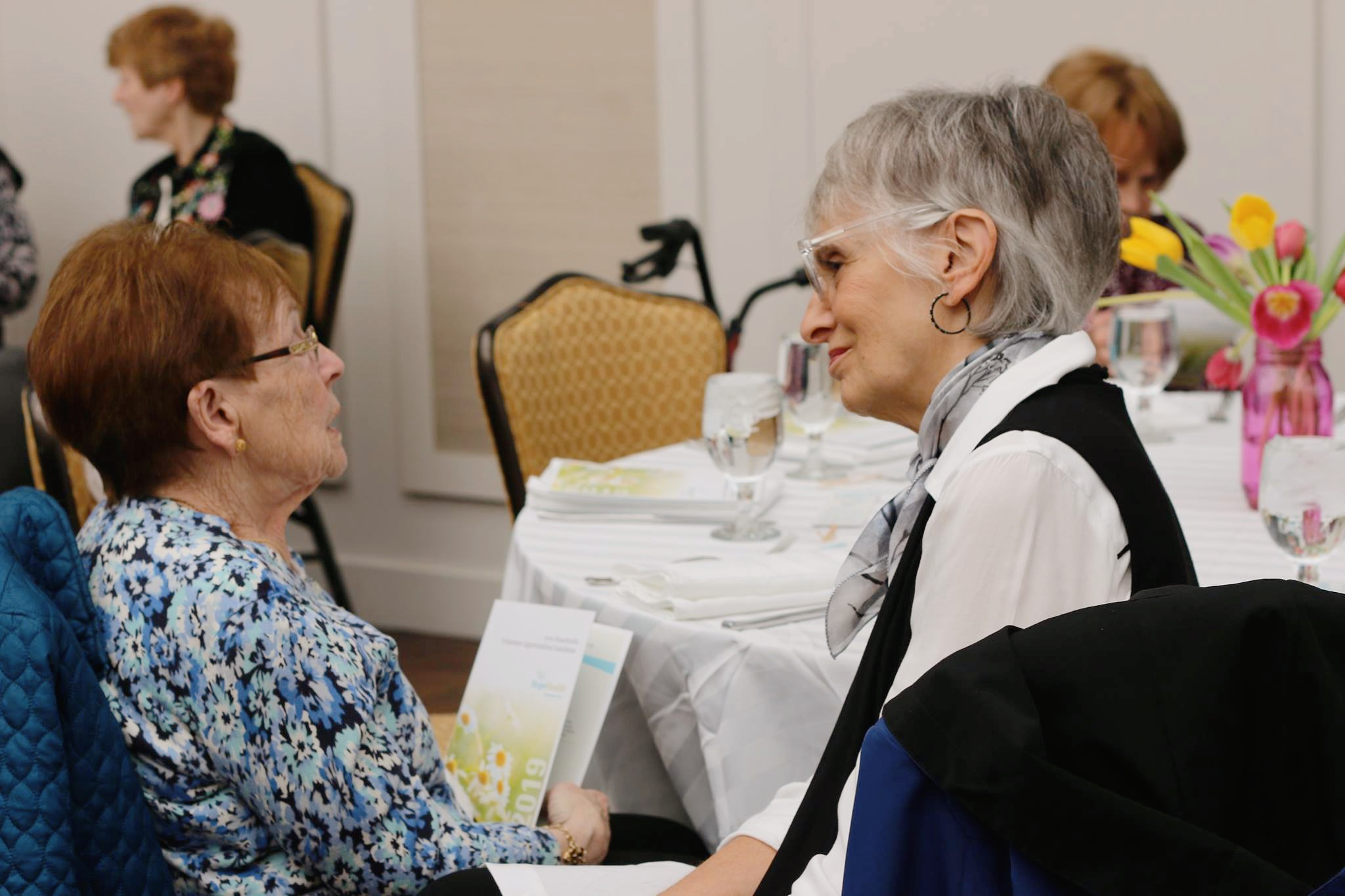
A longtime hospice volunteer never imagined she’d need a support group — until she became a caregiver herself. “It’s a lifeline,” she says.
Caregivers often don’t ask for help — or know how. This list offers 25 ways to offer support someone who’s focused on caring for someone else.
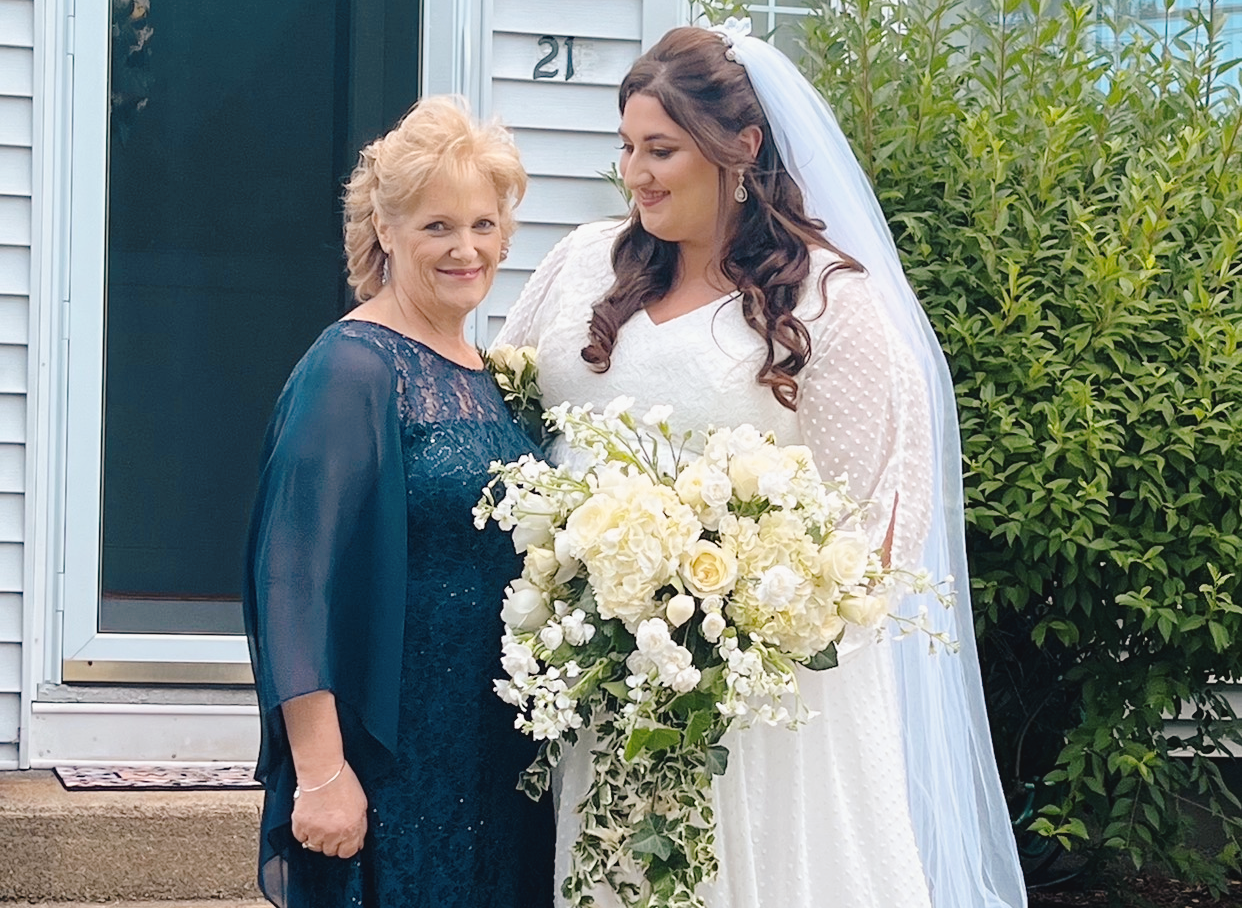
Kara’s mom made her promise to chase her dreams. This Mother’s Day, Kara is honoring that promise — and giving back to her mom’s hospice team.

Many people confuse palliative care with end-of-life care. But in truth, palliative care doesn’t mean someone is dying. It’s for any stage of a serious illness.