Hospice chaplains are available to support anyone in your family — no matter how you feel about religion. And they can help in more ways than you might expect.


Hospice chaplains are available to support anyone in your family — no matter how you feel about religion. And they can help in more ways than you might expect.

When Anna lost her dad, she felt isolated in her grief. Creating HopeHealth’s young adult loss group helped her — and others — find healing.
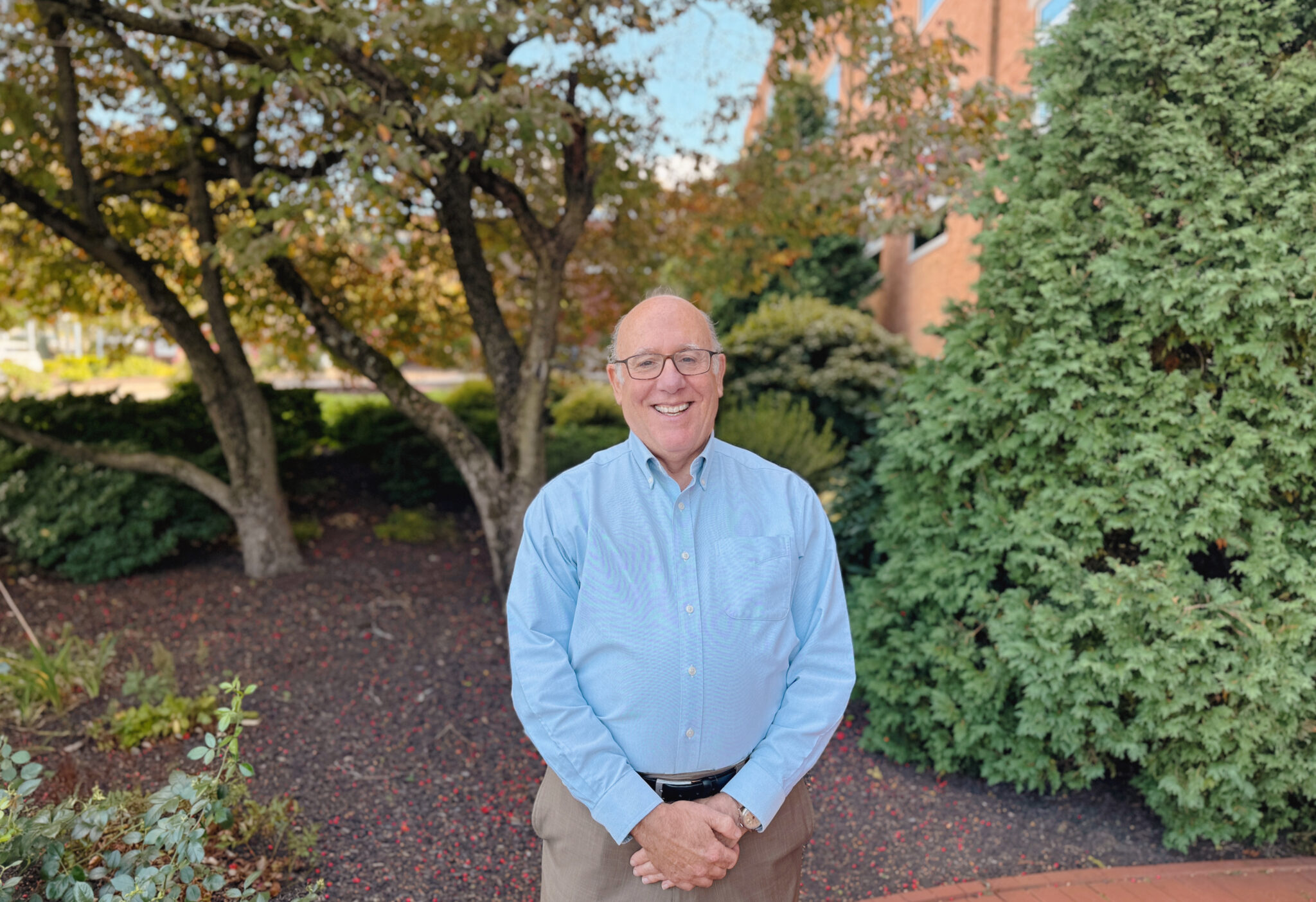
Before retiring from medical practice, Dr. Chuck Sherman regularly referred patients to HopeHealth. Now, he’s a volunteer with our grief support team.

For years, Joe Halus helped host Camp BraveHeart at his beloved YMCA. After his sudden death, the camp became a place for his young daughters to heal.
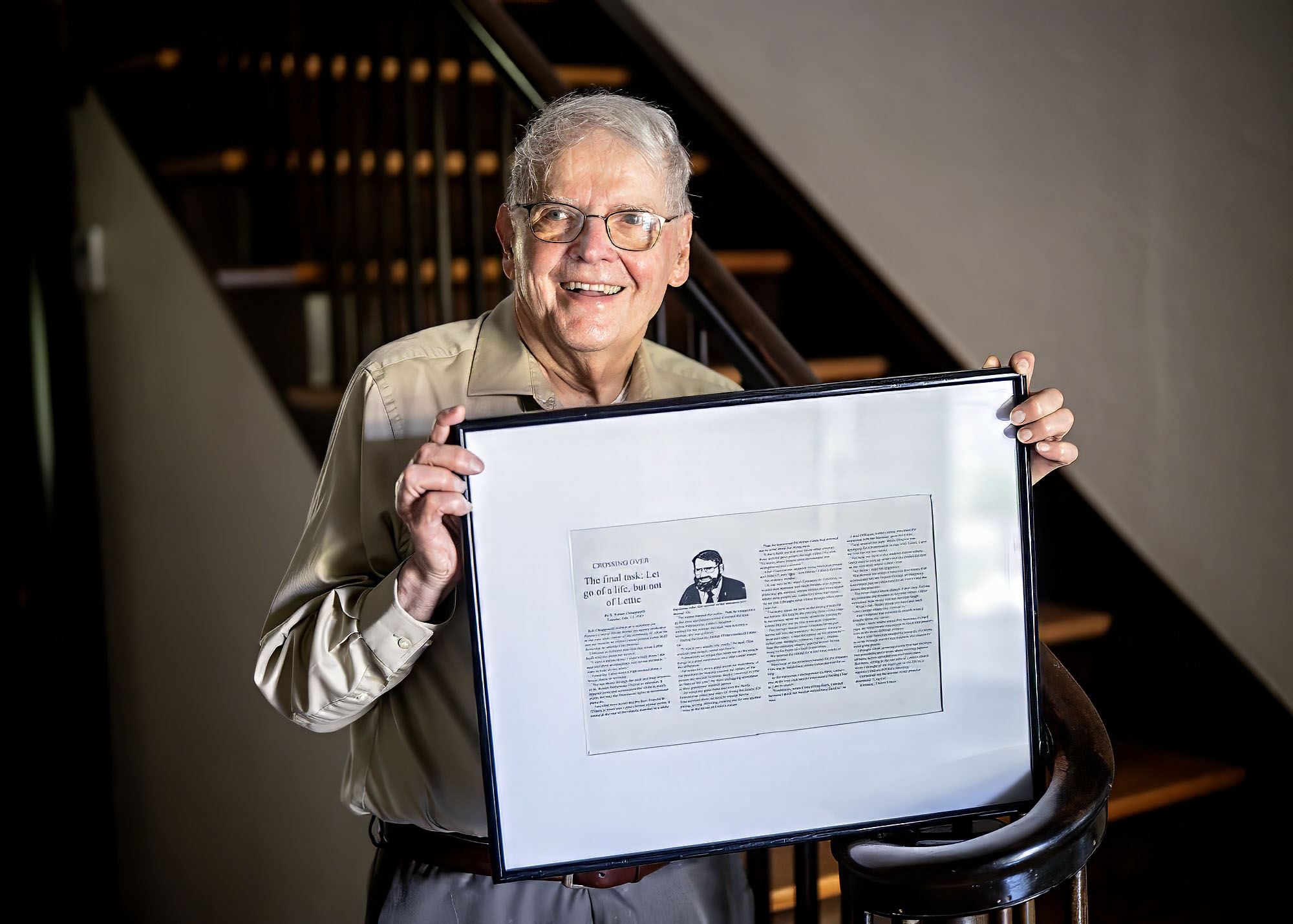
A journalist reflects on his transformative journey as a hospice volunteer, sharing moving stories of courage, compassion, and the power of human connection.
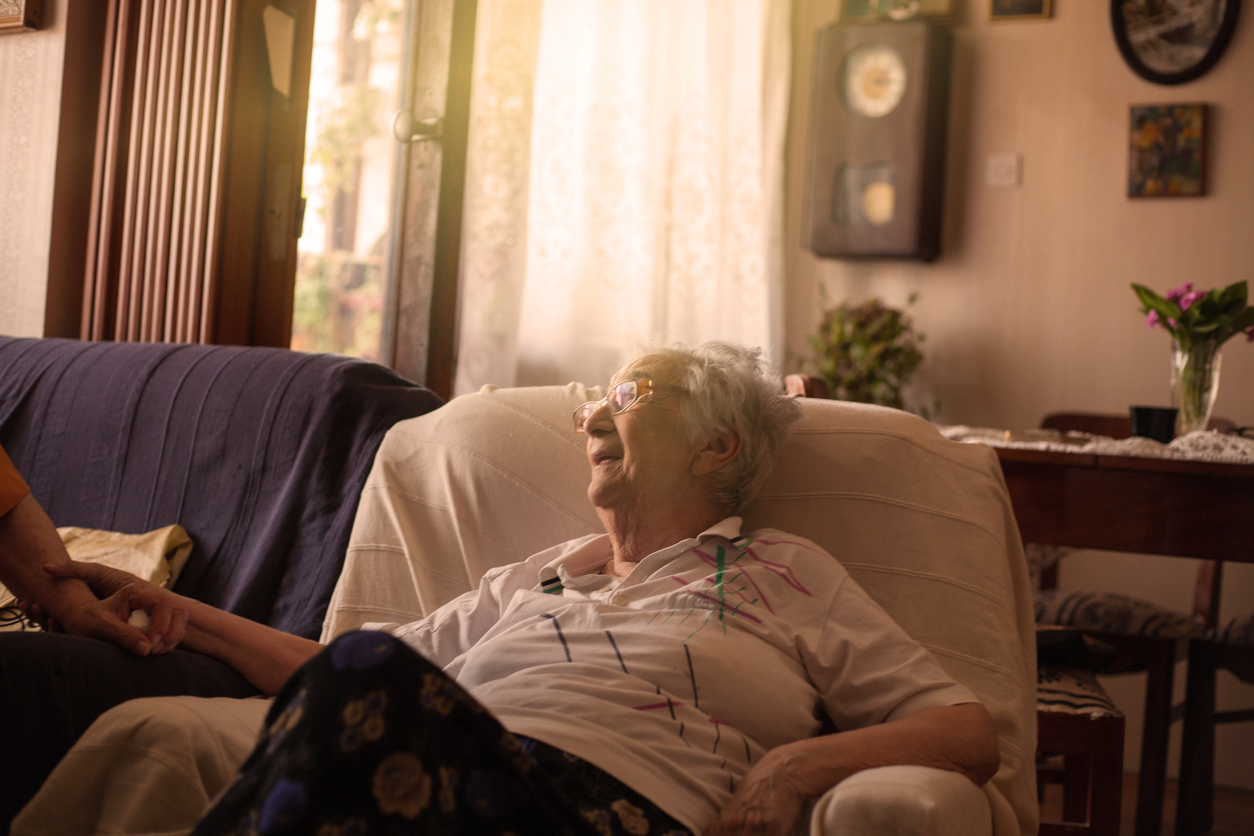
For people with dementia, the afternoon and evening can bring anxiety, confusion or agitation. Here’s what causes sundowning, and how to ease its effects.
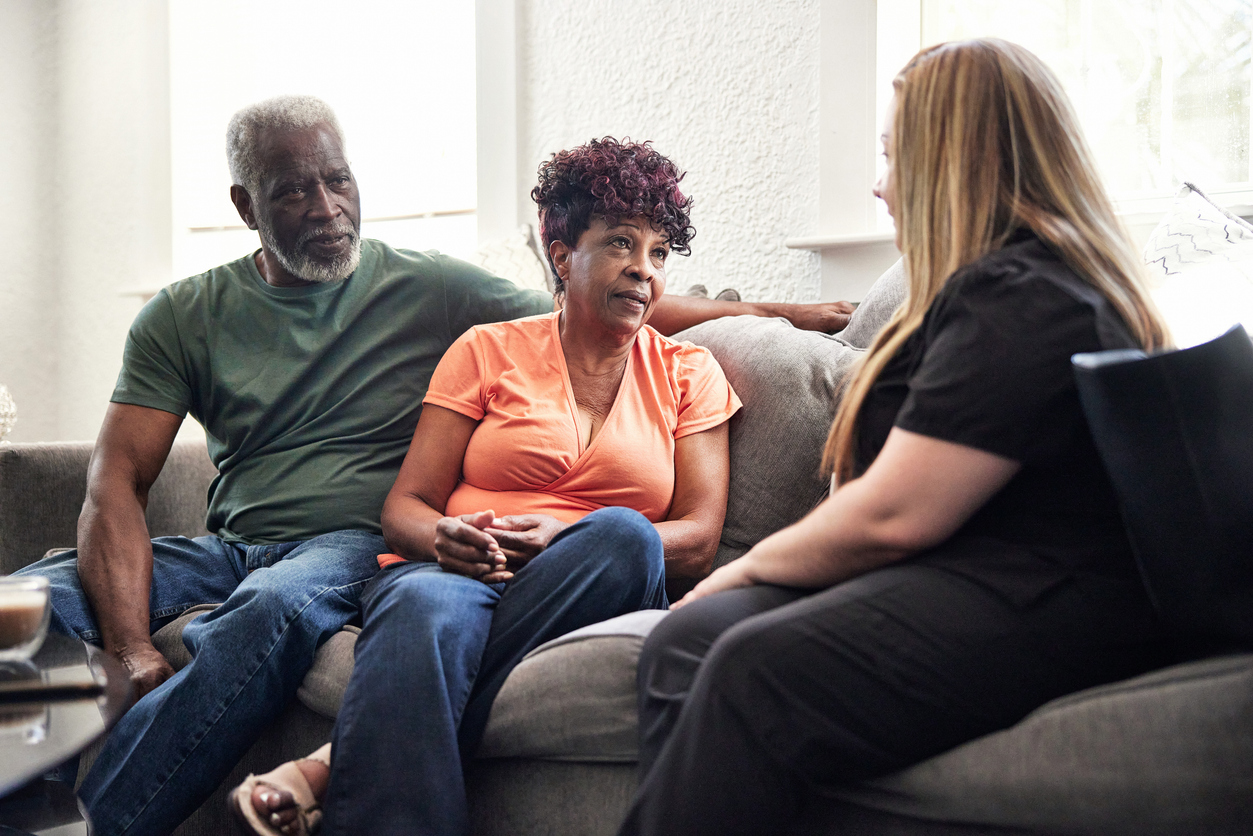
Caring for a loved one changes family dynamics — sometimes strengthening bonds, sometimes sparking conflict. Here’s how to ease tension and build connection
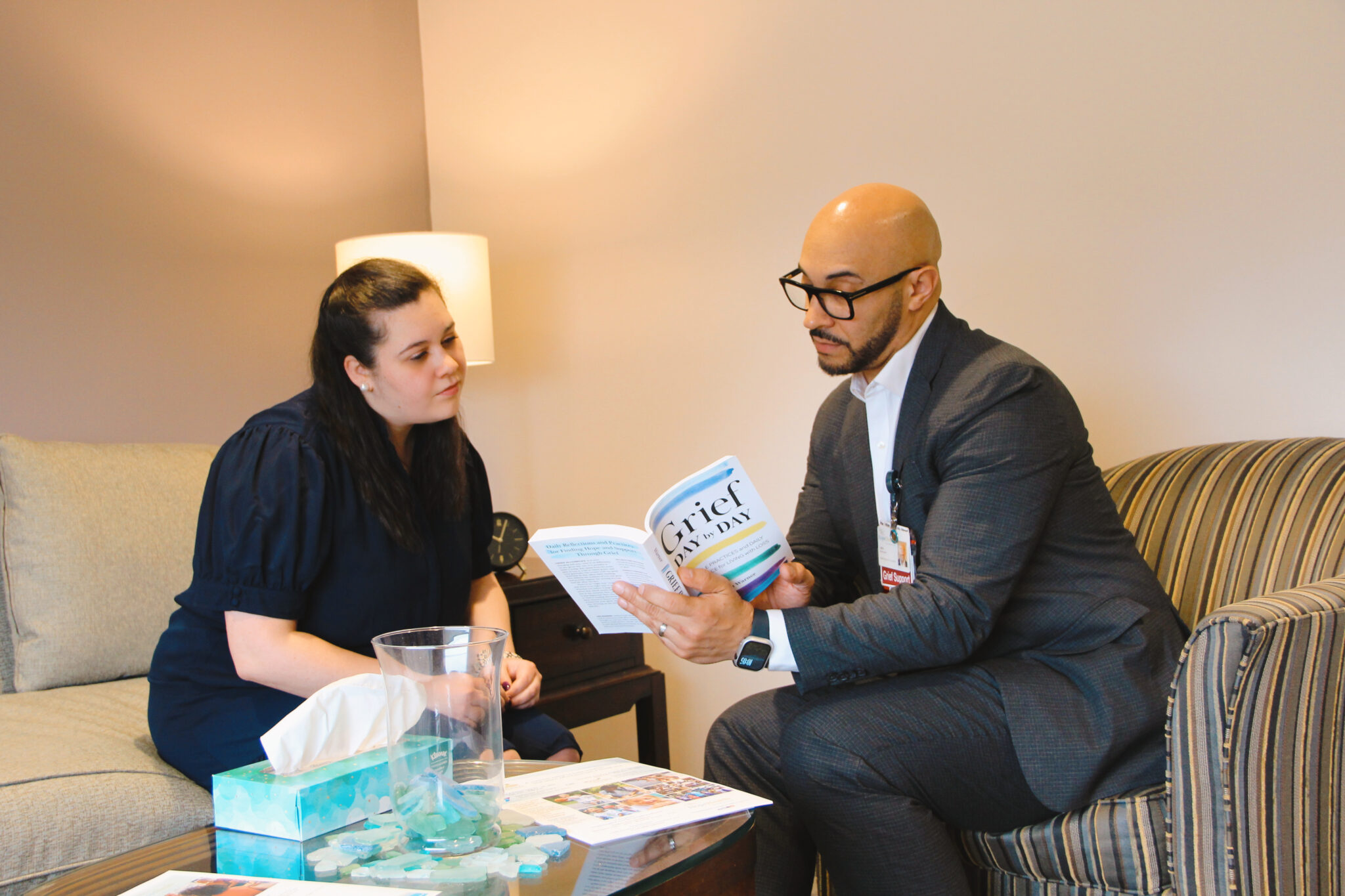
When someone you care about is grieving, it’s hard to know what to say or do. A grief counselor offers simple, meaningful ways to show up.
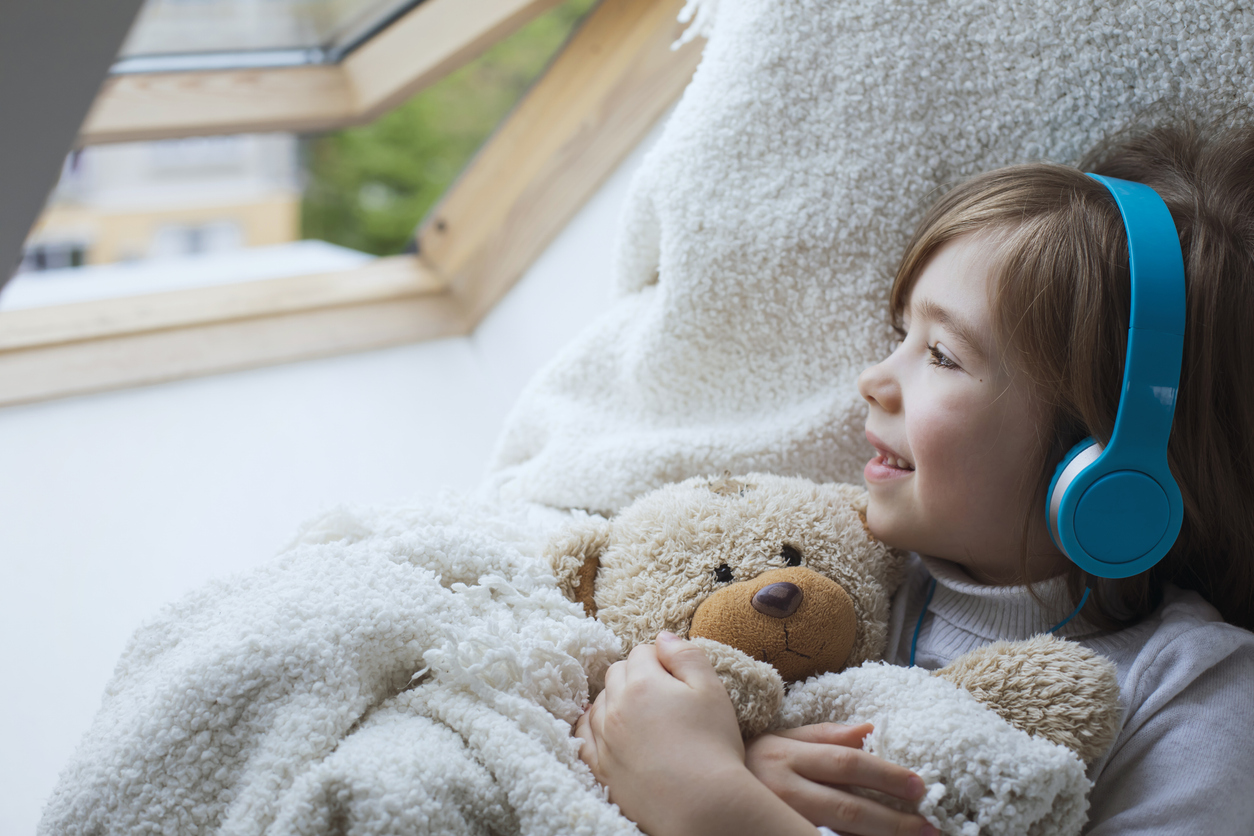
When a child is in the final stage of illness, the simplest things — a favorite blanket, a gentle cuddle — can help create a comforting space.
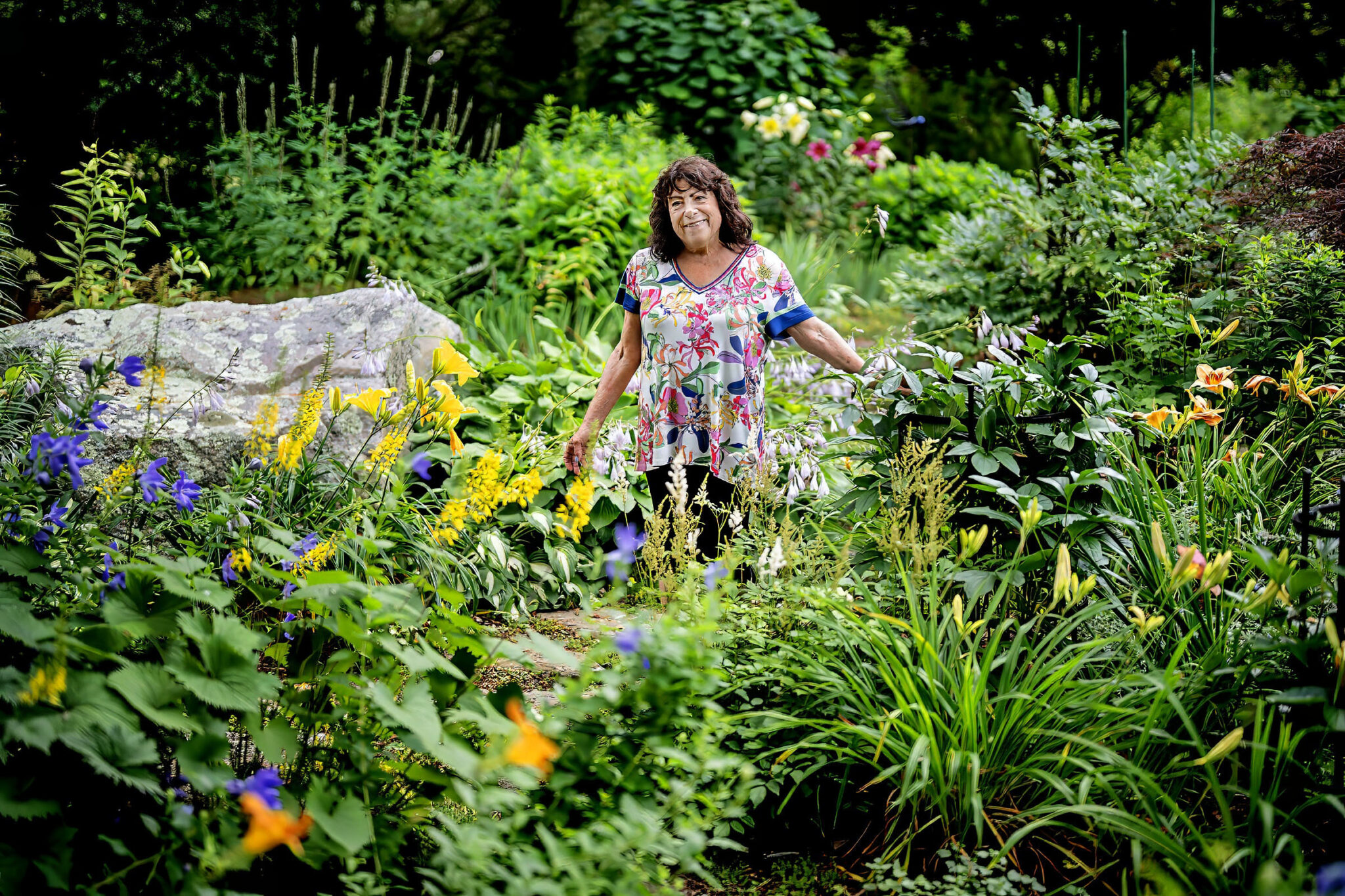
Hospice volunteer Marilyn reflects on 15 years of offering Reiki, comfort and compassion — and the joy she’s found in return.