Twenty years ago, on a summer morning at the YMCA in Wakefield, Rhode Island, a few dozen children and teens arrived for the first Camp BraveHeart. Every one of them was grieving someone they loved. Five were the Gilmore siblings, who had lost their father and both of their grandmothers in a single devastating year.
“Camp BraveHeart was the best thing for them,” says their mother, Randi. “It gave them other kids they could talk to, who know how it is. It made them think: I can do this.”
Megan Gilmore was 9 years old.
“Every summer, Camp BraveHeart was something we really looked forward to,” says Megan, now 28. “It was a way to be a kid, and at the same time to celebrate the family members we lost.”
Megan returned every summer until she aged out at 17. Two of her siblings later became camp counselors themselves, offering other children the same sense of belonging they had once received.
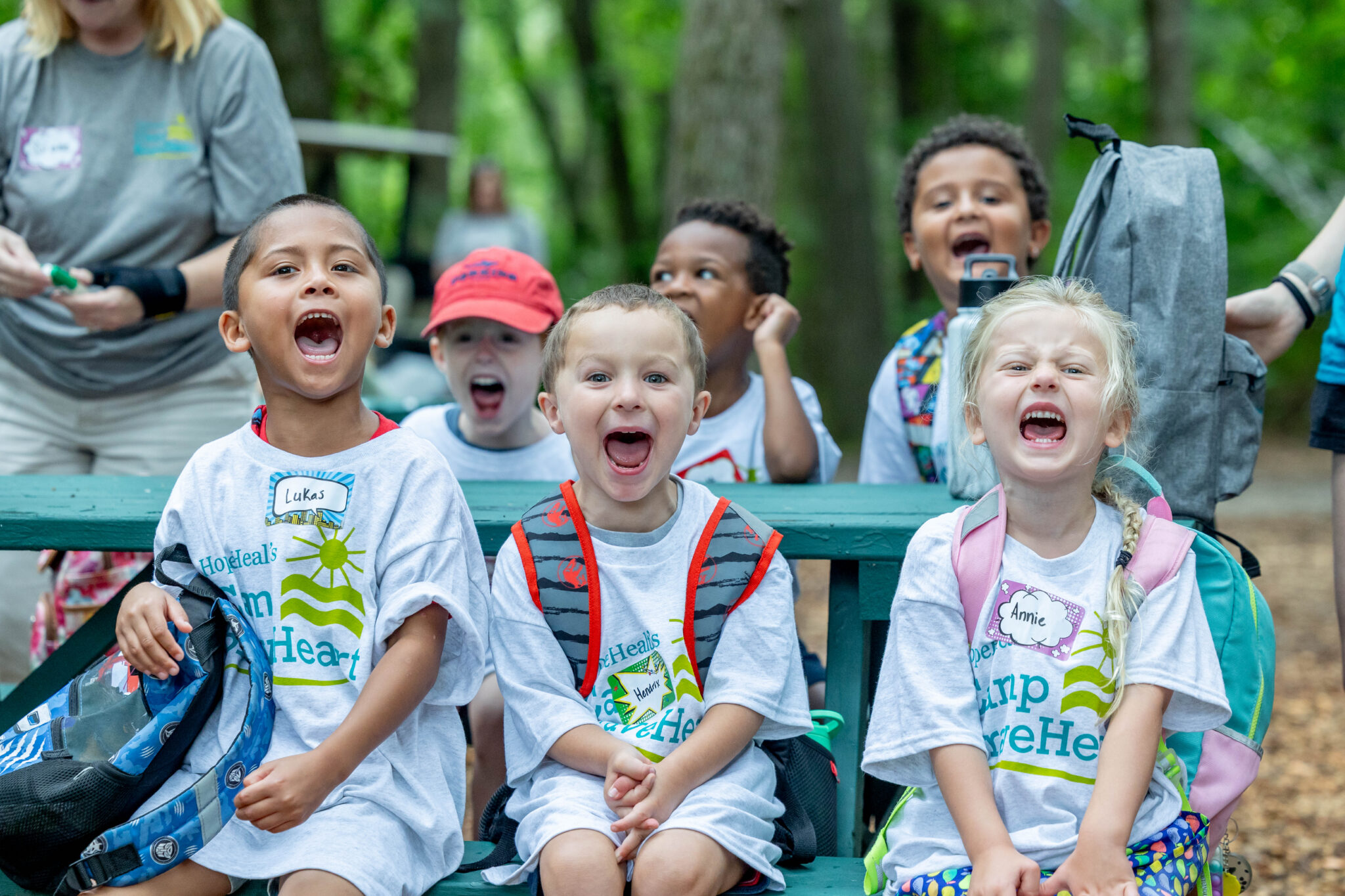
This summer, the Gilmore siblings — no longer kids — will return to Camp BraveHeart for its 20th anniversary celebration. What began with 46 children now serves more than 150 children and teens each summer, across two two-day camps in Rhode Island and Massachusetts.
“It’s really special to go back to a place that has meant so much to me and my family,” Megan says. “It’s grown so much from when we first started. It’s amazing to think of the impact.”
A community’s promise to grieving youth
The story of Camp BraveHeart begins with a promise — one that HopeHealth’s donors, leaders and community made to children navigating life after the death of someone they loved.
It also begins with Deanna Upchurch. Today, Deanna serves as HopeHealth’s senior director of clinical outreach & community relations, but long before Camp BraveHeart existed, she understood children’s grief firsthand. When her daughters were 2 and 4 years old, their father died of leukemia. Her older daughter later attended a children’s grief camp, and Deanna still remembers the treasure box she brought home, filled with photos, drawings and keepsakes honoring her dad.
“She was such a little person. For her to be with other kids and see she was not the only one — it was profound,” Deanna says.
Deanna eventually began working in grief support at a Massachusetts hospital, where she helped launch a children’s grief camp. When HopeHealth (then Home & Hospice Care of Rhode Island) decided to create its first children’s grief program, they asked Deanna to lead it.
“I said I would love the opportunity to do that,” Deanna says.
She joined HopeHealth in February 2007. Just a few months later, she and her team welcomed the first group of campers to Camp BraveHeart.
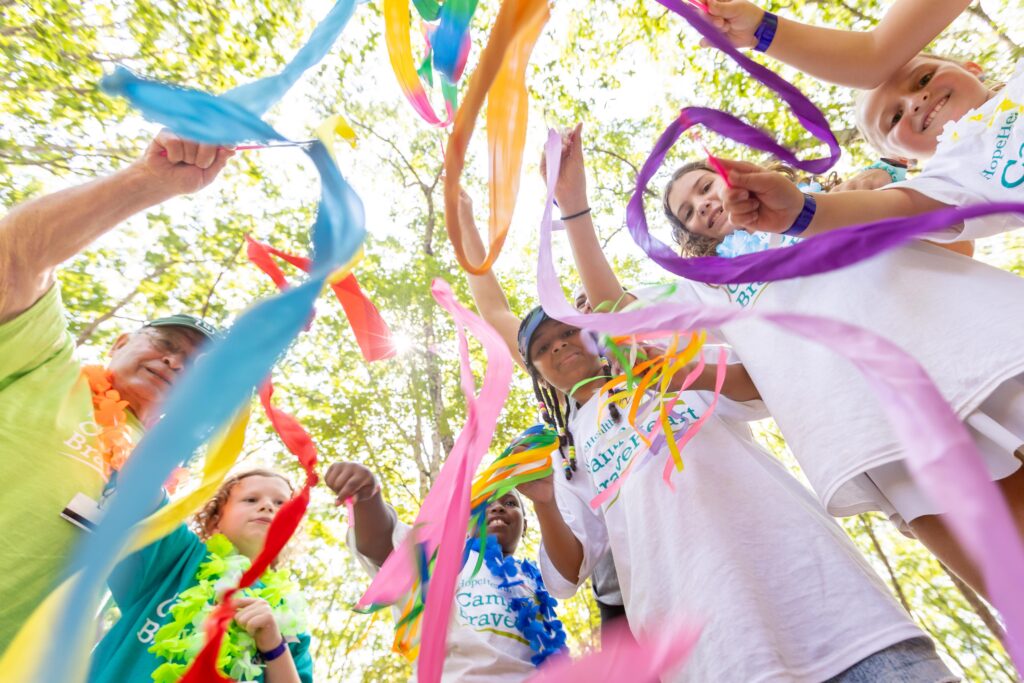
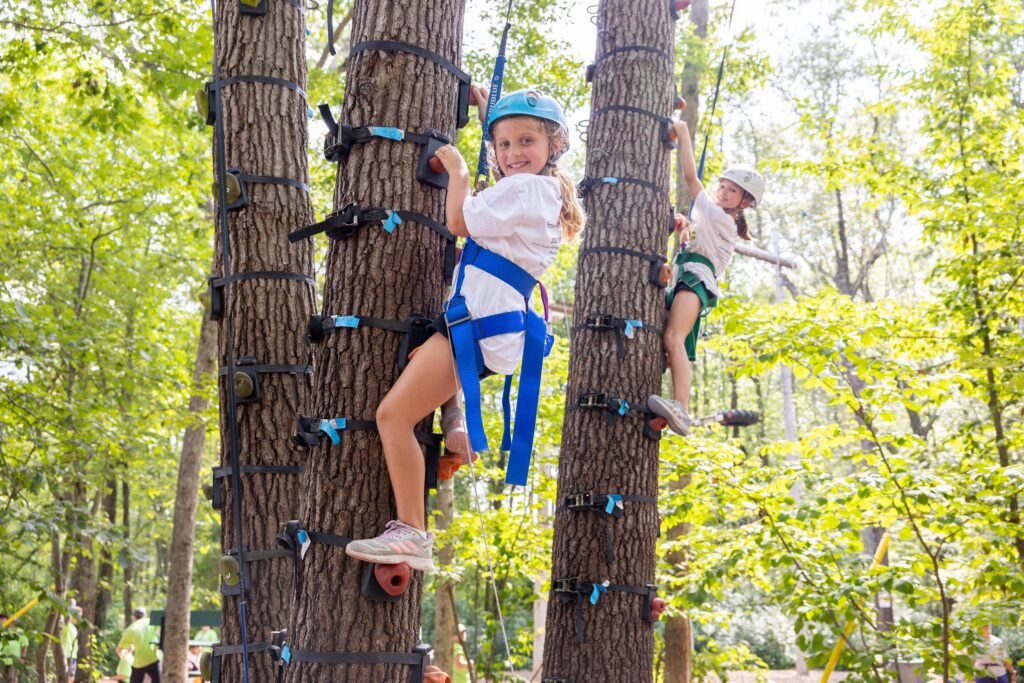
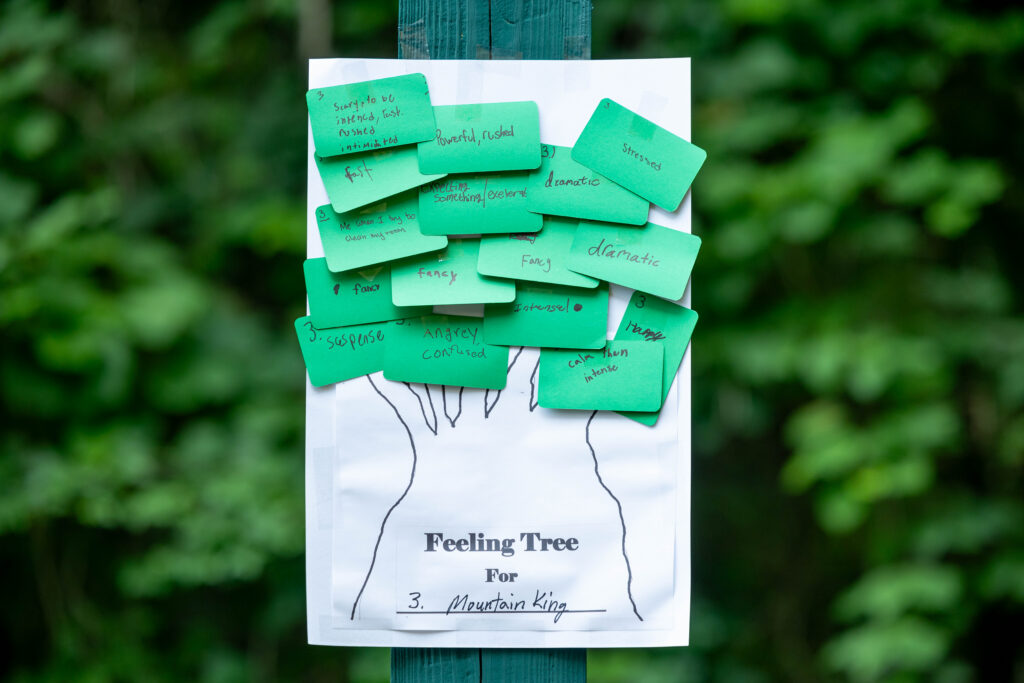
The foundation they built that summer remains at the heart of Camp BraveHeart today: two days of classic activities like swimming, art projects and plenty of goofing off, woven together with quieter moments when campers remember the people they’ve lost, talk openly about their grief and discover they’re not alone.
For Megan and her siblings, it felt like summer camp in every way that matters when you’re a kid, in a setting where their grief felt normal and safe.
“It was a place to just be a kid and have fun — but at the same time, if you needed to cry, you could cry. If you were mad, you could be mad,” Megan says. “The counselors did a very good job at letting you feel whatever emotion you were feeling in the moment.”
Where kids help each other heal
Grief changes over time, but it does not go away. Recognizing this, Camp BraveHeart’s leaders and donors made a decision from the start: They would invite campers to return every year until they age out. This is rare among youth grief camps, which often limit attendance to just one or two summers.
“There’s a lot of value in making sure that a camp like this has a longitudinal aspect to it,” Deanna says. “Each developmental stage brings with it new challenges and grief too. We do not want to put a time limit on their grief.”
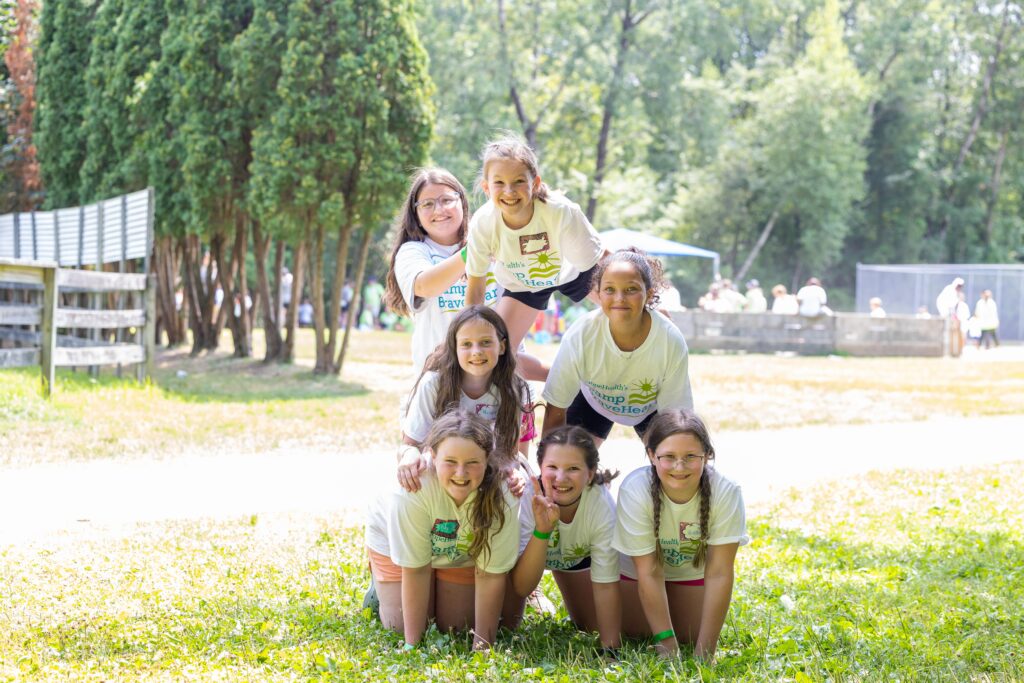
This decision shapes the experience for everyone. Each summer, children who are returning for their fifth or sixth camp naturally welcome campers who are grieving a recent loss. The younger campers can see what healing might look like a few years down the road. The returning campers discover they have something meaningful to offer.
“That creates hope,” Deanna says.
In the camp’s first summer, she remembers two boys, both about 9 years old, sharing a canoe with their counselors. One had lost a parent to illness. The other’s parent had died suddenly. As they drifted across the water, they began comparing their experiences with a remarkable openness.
“We witnessed how profound that ability is, from one child to another, to be open and raw with each other,” Deanna says. “It showed us: This is meaningful work. It will impact these children’s lives in a positive way. We need to continue to grow it.”
Today, Camp BraveHeart Director and Grief Support Manager, Marsha Ireland, sees those same moments play out every summer.
“It’s humbling to stop and think about the hundreds of children who have come through Camp BraveHeart over the past 20 years — who grow up and carry what they learned into the rest of their lives,” Marsha says. “You realize those two days don’t end when camp ends. They become part of how children carry their grief forward.
The volunteers who make it possible
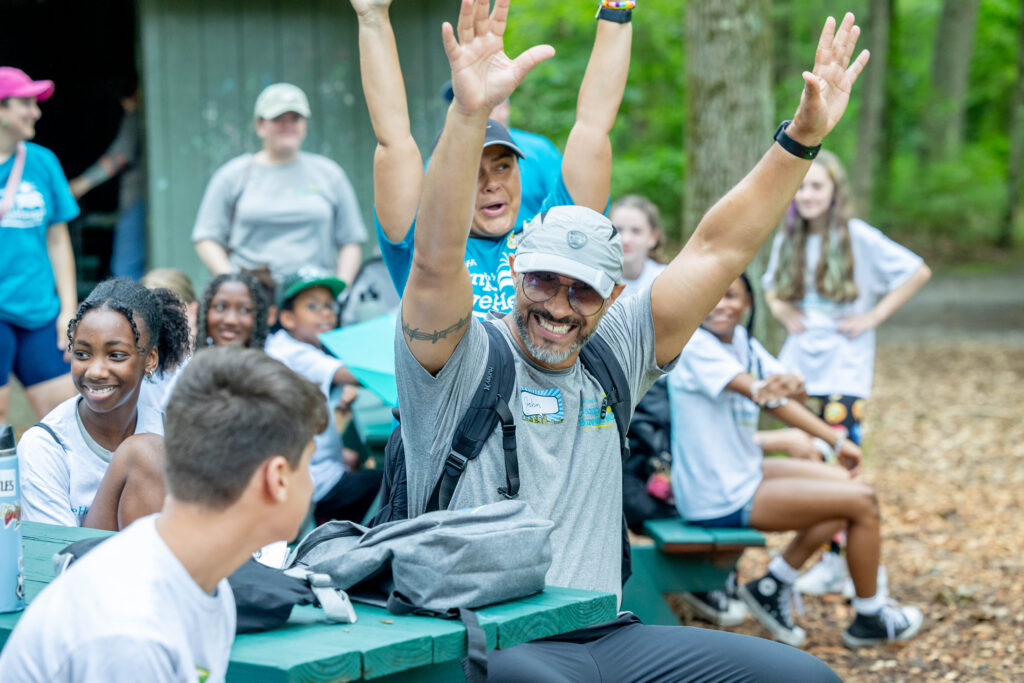
As Camp BraveHeart has grown — first in Rhode Island, then expanding to a second location in Massachusetts — so has the community of volunteers who make it possible. They lead activities, mentor campers, serve meals, tie shoes, offer hugs and, perhaps most importantly, simply show up.
“Camp BraveHeart would not happen without our volunteers, 100 percent,” Deanna says. “They are the cornerstone of everything we do.”
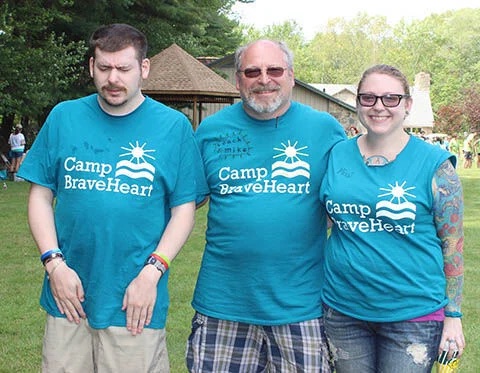
Mike Nespolo is among the camp’s longest-serving volunteers. He first came to HopeHealth not to volunteer, but to grieve. After the death of his wife, Jeanne, he found support through HopeHealth’s grief services. Eventually, he wanted to give something back.
For the past 16 years, he’s returned to Camp BraveHeart as a volunteer counselor, known for doling out candy and laughter in equal measure. Every summer, he watches children arrive carrying fresh grief, often coming off a school year where they were the only kid in their class who had experienced such loss. Every summer, he watches them leave the camp with the certainty that they are not alone.
“These kids feel their loss, and they really connect over those two days,” Mike says. “Sometimes you get a kid you’ve known for three or four years, and they’ll really open up because they know you. I’ll tell them what helped me with my grief. It helps me to help them.”
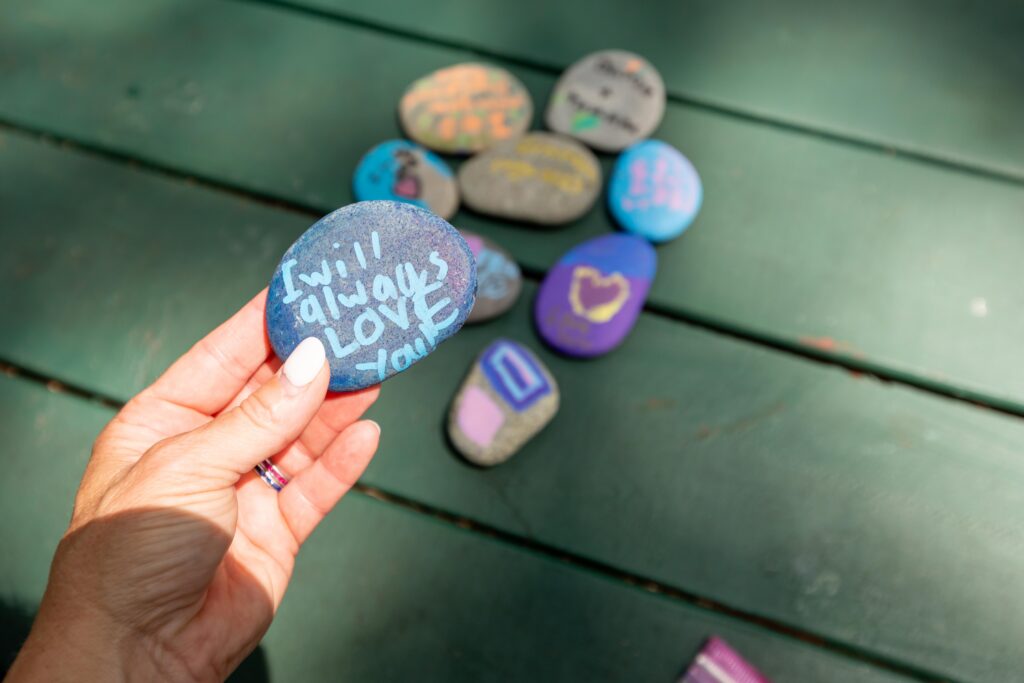
Over the years, he’s seen another full-circle story unfold: His daughter, Missy, began volunteering at Camp BraveHeart years ago alongside her dad. Eventually, she was running the camp’s art program. She’s since officially joined the HopeHealth staff year-round, providing art therapy support for kids in the pediatric palliative care program. This summer, as Camp BraveHeart looks back on 20 summers, she’ll bring examples of artwork campers have created through the years — wind chimes, totem poles and other projects made in memory of loved ones.
Mike couldn’t be prouder — of his daughter, and of the many young people he’s seen transform their experience of loss into helping others heal.
“You either embrace where life takes you, or you fight it,” he says. “Fighting it does no good. These kids embrace it.”
What never changes
For all that Camp BraveHeart has grown over its two decades, much has stayed the same. Every year, camp ends the same way: Families gather for a closing ceremony. Campers send private messages to their loved ones, blowing bubbles skyward to deliver them. There are tears, hugs and moments of quiet reflection. There is laughter too.
This summer, for Camp BraveHeart’s 20th anniversary, HopeHealth has invited families from every year back to celebrate together — including the Gilmores.
Twenty years after they first walked into camp as grieving children, Megan and her siblings will return to a place that helped shape their lives. Their memories are filled with swimming, drumming, art projects and the ordinary joy of being kids. But what they remember most is discovering they didn’t have to carry their grief alone.
“Camp BraveHeart taught me something important — that grief and happiness can coexist,” Megan says. “You can have those feelings together as part of healing.”
“It helped me recognize that grief is not just something that’s going to end one day. It’s something you have to embrace and work into your everyday life, and learn to live,” she adds. “Which is exactly what your loved ones would want you to do.”