In a few years, Jay Gopal will be a doctor — rigorously trained in anatomy, physiology and the latest medical marvels. And alongside his standard labs and exams at the Warren Alpert Medical School of Brown University, he’s also been practicing something else: how to truly listen.
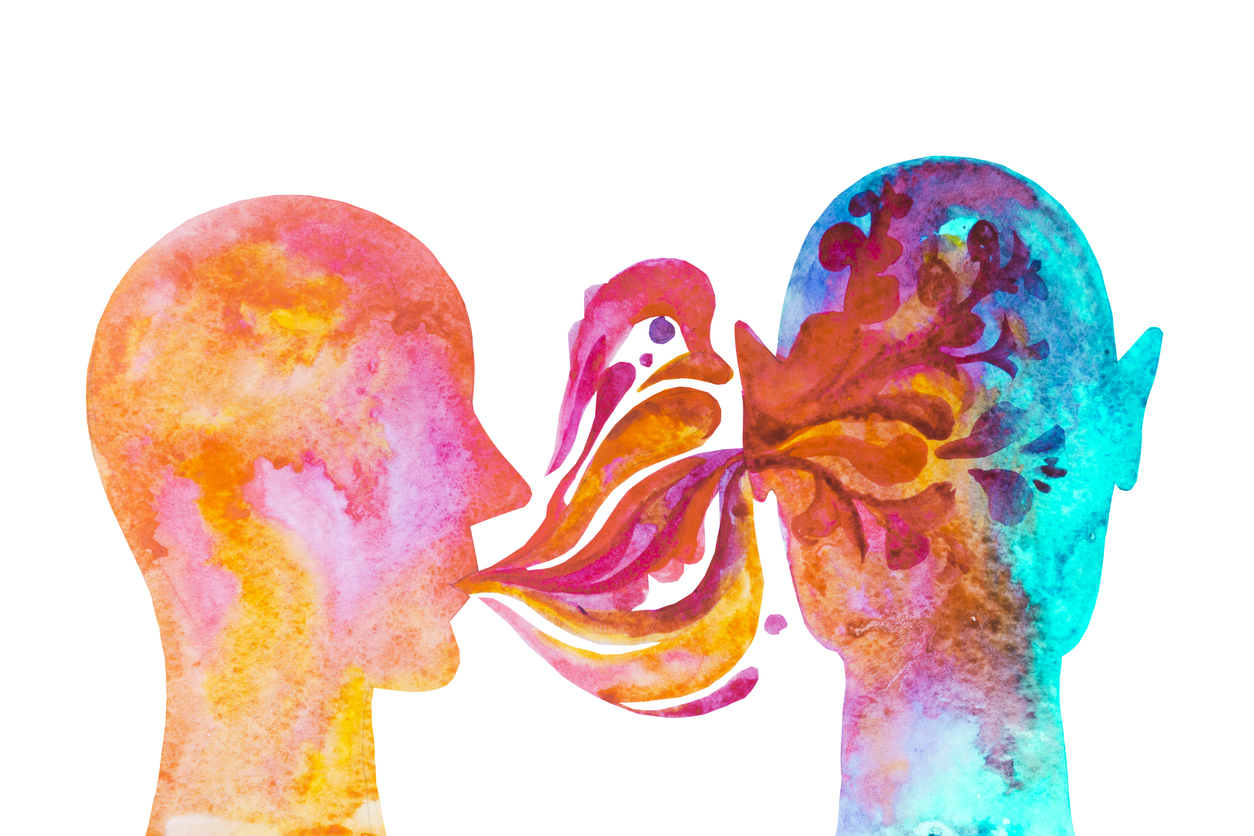
Through a partnership with HopeHealth, medical students like Jay can opt into a learning project called My Life, My Story. In it, each student is paired with a HopeHealth volunteer from the community to hear and record their life story. The conversation has nothing to do with the volunteer’s health history. It has everything to do with their lived experience.
Why would future doctors, already stretched thin by medical school, make time for this kind of practice?
“Medicine begins with understanding the person, not just the diagnosis,” says Jay. “Every patient’s history shapes their healing.”
“I felt heard in a pretty special way”
The My Life, My Story program actually started as a one-off project in a Veterans Affairs (VA) hospital before evolving into a teaching tool well beyond the VA. It’s since been adopted by medical schools across the country — including at Brown University in 2013, in partnership with HopeHealth. It’s one of several service-learning opportunities for first-year medical students, and a favorite choice for students considering palliative and hospice care.
Before these students meet and interview their HopeHealth volunteer, they receive tips on how to build rapport, how to conduct an interview, and how to listen deeply without interruption or judgment. They’re reminded that many HopeHealth volunteers are drawn to hospice and grief support after experiencing profound loss themselves — and they reflect on the importance of holding space for those stories too.
Some students and HopeHealth volunteers meet in the community, like at a favorite Providence coffee shop. One pair did their interview at the HopeHealth Hulitar Hospice Center, followed by a stroll around the Brown campus. One volunteer has been with HopeHealth so long, she remembers sitting around her parents’ kitchen table while a student interviewed her father for a similar project.
No matter the setting, the goals are the same: a one- to two-hour interview, filled with patience, presence and respect. It sounds simple. But for future doctors, it’s a surprisingly powerful form of training: It’s a way to practice soft skills that will be crucial at the bedside. One student described it as strengthening “empathy muscles.”
After the conversation, the student writes up their volunteer’s story, and shares it with them for edits and approval. This, too, tends to be a powerful experience.
“I felt like I was heard and admired in a pretty special way,” said one volunteer. Another was so touched by the story her student wrote up, she plans to host a family dinner to read it aloud to loved ones. Many volunteers — so often the listeners in their usual hospice and grief support roles — mentioned feeling “seen, validated and grateful.” More than a few mentioned how rewarding it is knowing these students will soon be doctors, and how their patients will feel the same way.
> Read: Full circle: From HopeHealth student to doctor
“One of the best things I can do for my future patients is listen”
For students, participating in My Life, My Story is a chance to honor the human connection at the heart of health care. It taps into the caring instinct that drew so many of them to medicine in the first place.
“I was surprised by how moved I felt,” said one student. “Sitting with my volunteer’s story required comfort with silence and emotion. It reminded me how vulnerability and resilience can coexist. Her story will stay with me.”
Another student had recently lost a loved one. As her HopeHealth volunteer opened up about his own grief journey, it resonated personally: “His insights about how to deal with grief from loss was something applicable to my own life, and it was truly helpful,” she shared.
The experience is also a lesson in how health history cannot be separated from personal history. After all, we each have a story that makes us who we are — and in big ways and small, that impacts how we think about health, sickness and the end of life.
“It reminded me that patient care begins with understanding a person’s life context — their losses, support systems and resilience,” said one student.
“I never want to lose sight of that,” agreed another student. “I hope to treat each patient with the same gravity and care.”
Finally, it shows students the power of presence — how, in a student’s words, “just simply listening is one of the best things I can do for my future patients.”
As for HopeHealth volunteers? Participating in My Life, My Story is another way to give back to their community, and a chance to shape more compassionate, whole-person health care. Perhaps most of all, it’s a heartening glimpse into the next generation of medicine.
“A delightful young student,” wrote one volunteer in a feedback survey. “The hope of the future,” wrote another. “A good listener, professional, empathic,” said a third.
And, again and again: “Going to make a great doctor someday.”