Caring for patients at the end of life requires more than clinical skill—it demands an understanding of how past trauma shapes a person’s final chapter. This session introduces the foundations of Trauma‑Informed Care (TIC) and its essential role in end‑of‑life settings. Participants will learn what trauma is, why older adults are uniquely vulnerable, and how Read More
Area of Focus: Hospice Care
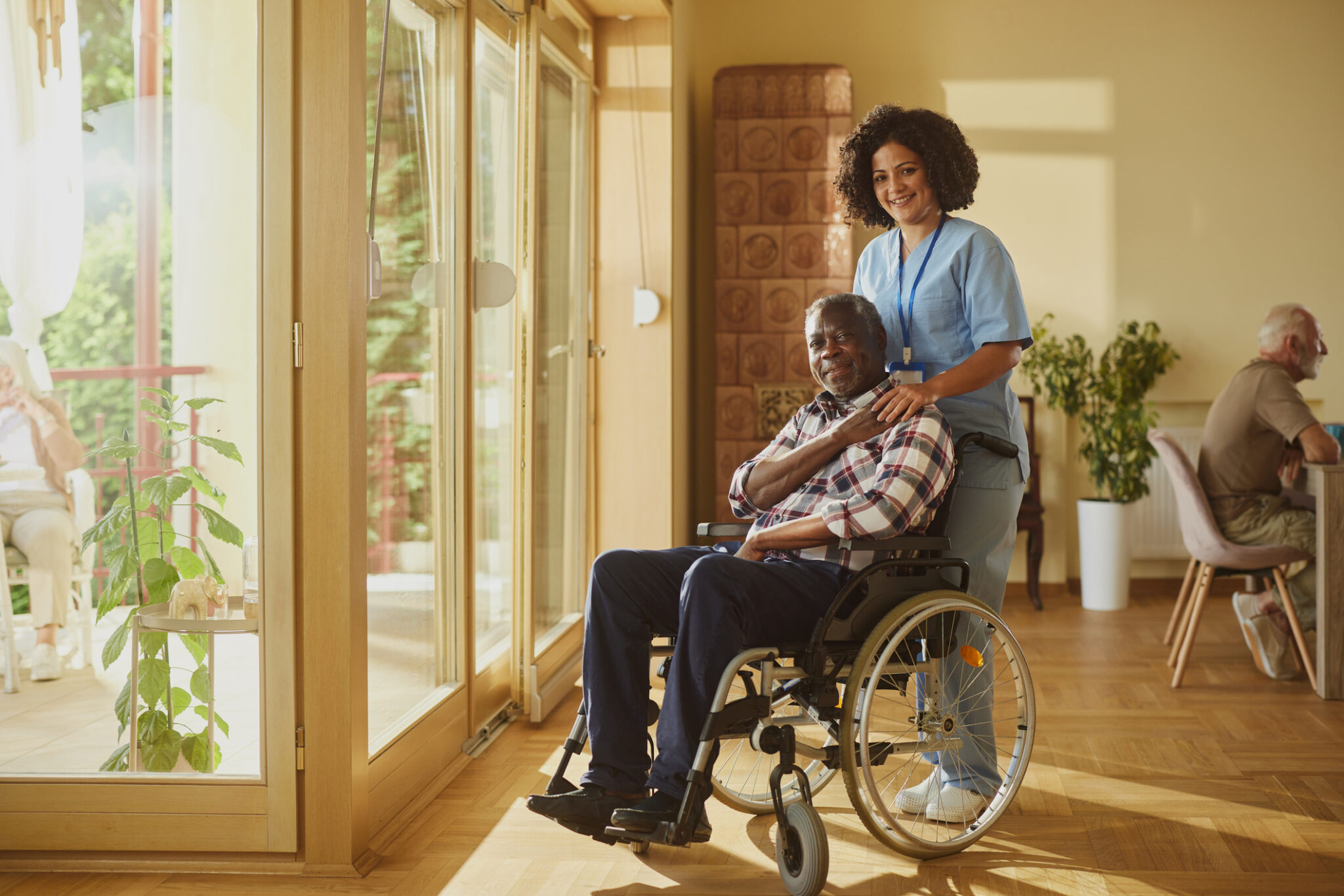
Caring for Veterans at End of Life
Veterans facing end-of-life often carry unique physical, emotional, and spiritual burdens shaped by military service, trauma, and cultural identity. This class equips healthcare professionals with the knowledge and skills to deliver respectful, trauma-informed, and veteran-centric care.
Caring for Veterans at End of Life
When your loved one has been in military service, they often carry unique physical, emotional, and spiritual needs that may differ from those you’ve encountered before. In this session we’ll explore how you can adjust your caregiving knowledge to fit the needs of the veteran in your life with compassion and understanding. This workshop is Read More

The Role of the Chaplain in Hospice Care
This course will shine a light on a critical but often misunderstood caregiving role on the hospice team: the hospice chaplain. We will demystify common misconceptions and assumptions about the work chaplains do. Participants should leave this course equipped to effectively partner with chaplains to meet the holistic needs of hospice patients, their families, and Read More
Hospice Symptom Management Part 2
This two-part series is a comprehensive review of the most common symptoms that cause discomfort at end-of-life. Part 1 focuses on assessing and treating pain, dyspnea and anxiety. Part 2 focuses on assessing and treating nausea/vomiting, delirium, agitation and constipation. These courses discuss how these symptoms are typically treated and which medications to initiate for Read More
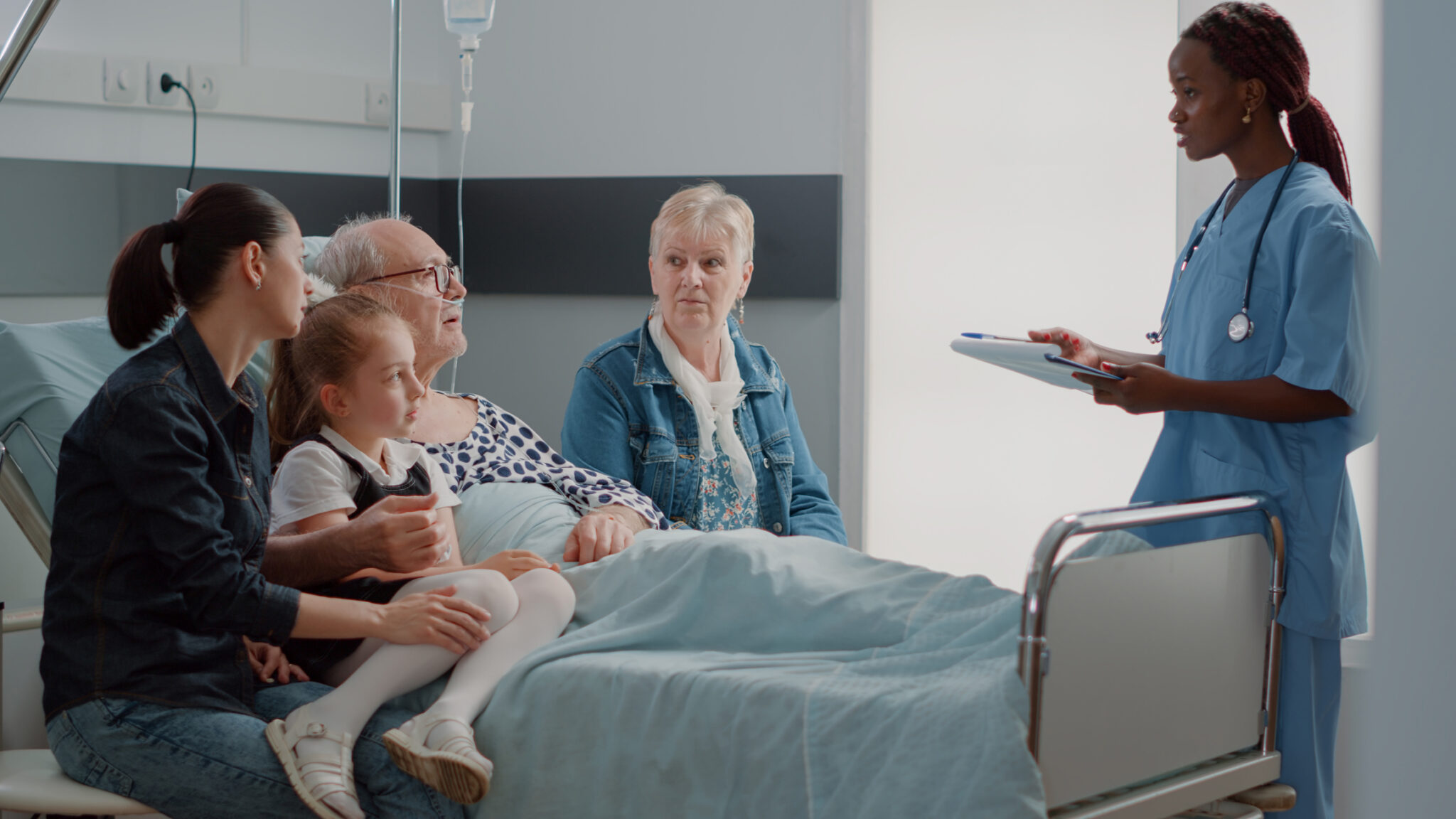
Navigating Family Dynamics at End of Life: Boundaries & Conflict Skills for Clinicians
Families often experience heightened emotions, unresolved tensions, and shifting roles during a loved one’s final stage of life. These dynamics can significantly impact care delivery and the wellbeing of both patients and healthcare professionals. This training provides clinicians with the tools to navigate complex family interactions with clarity, empathy, and professionalism.

Unique End-of-Life Care Needs of LGBT Older Adults
This class will look at the issues faced by LGBT older adults nearing end of life. We will discuss strategies and resources for improving care of our LGBT elders.

Late-Stage Parkinson’s Disease and End-of-life Care
In this program we will take a closer look at late-stage Parkinson’s disease in relation to mortality, risk factors, and caregiver burden, as well as benefits and eligibility for palliative and hospice care.
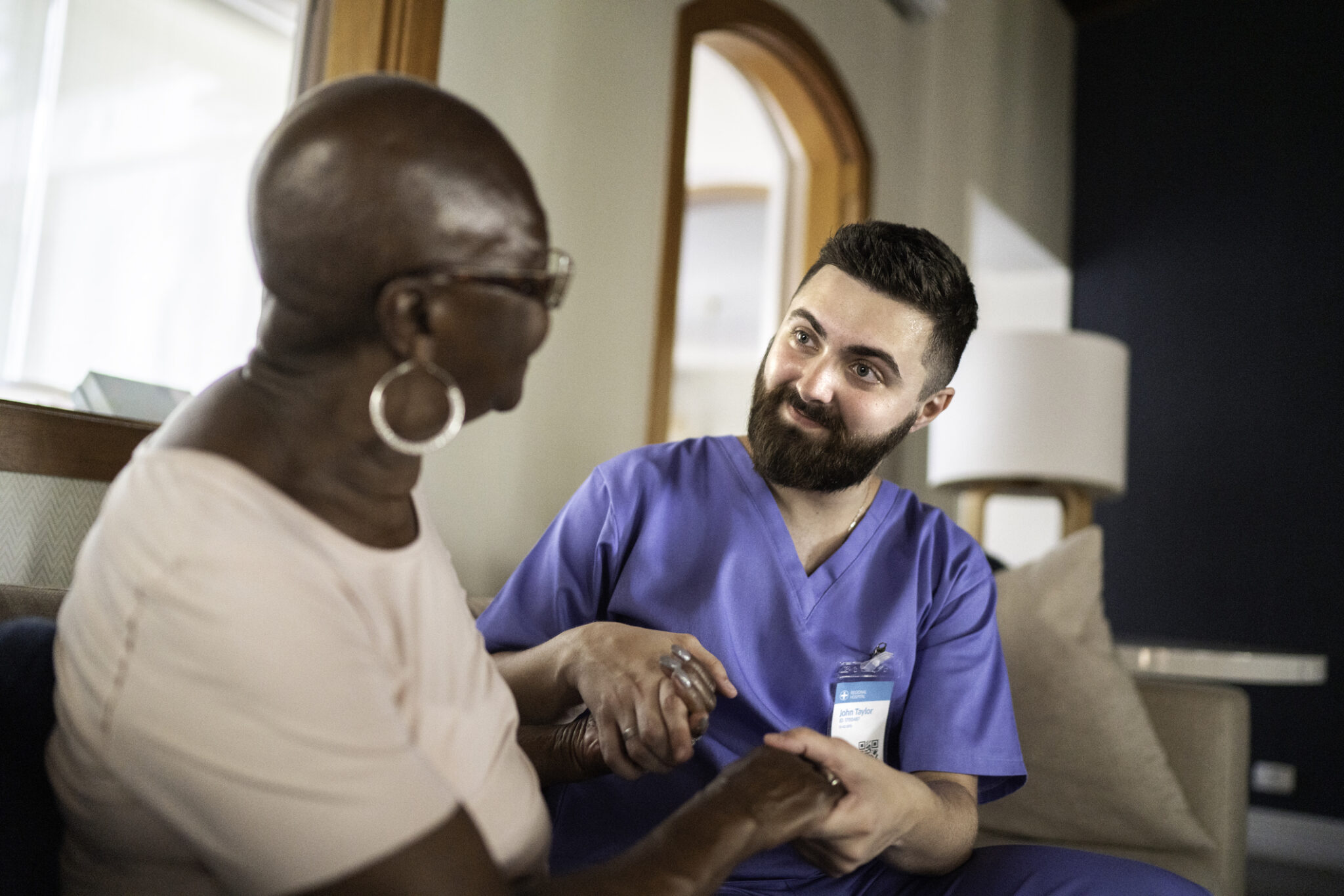
Understanding Parkinson’s Disease
This program will offer clinicians a better understanding of this disease. We will discuss how it differs from other neurological disorders, diagnosis, complications, treatments and the different stages of this disease. We will also answer some of the most common questions that are asked of the medical community.
Hospice: A Special Way of Caring
Learn the unique benefits of hospice care, when a patient qualifies and how the clinical team supports individuals and families in this 1-hour course.