
HopeHealth Hospice & Palliative Care 50th Anniversary Gala Raises Over $410K to Support Care for All who Need It Gift of Hope Campaign Announced with $5.5 Million Fundraising Goal HopeHealth President & CEO Diana Franchitto presents the Human Dignity Award to Dean Mukesh Jain, MD, as Spirit of Hope Award recipient Nora Navas, CNA, joins Read More
rsizelove

“Right for the heart”: How creativity opens a path through grief
When we’re grieving, tapping into creativity can help us heal. In creative workshops, participants experience it together.
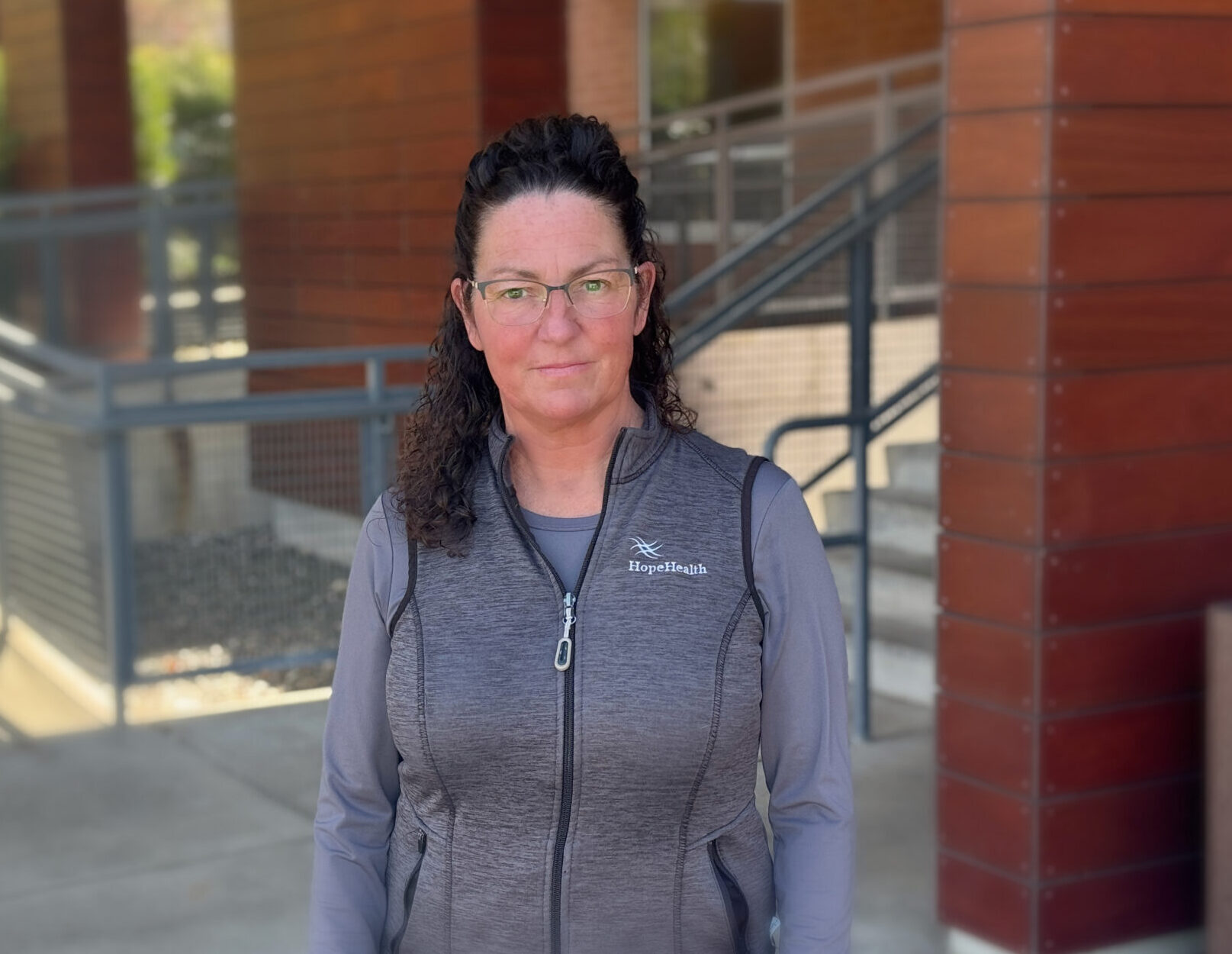
Through the twilight: A nurse’s path to hospice
After 21 years as a critical care nurse, Terri Tetreau felt passionate about giving patients a peaceful end-of-life journey. In hospice, she’s found her calling.
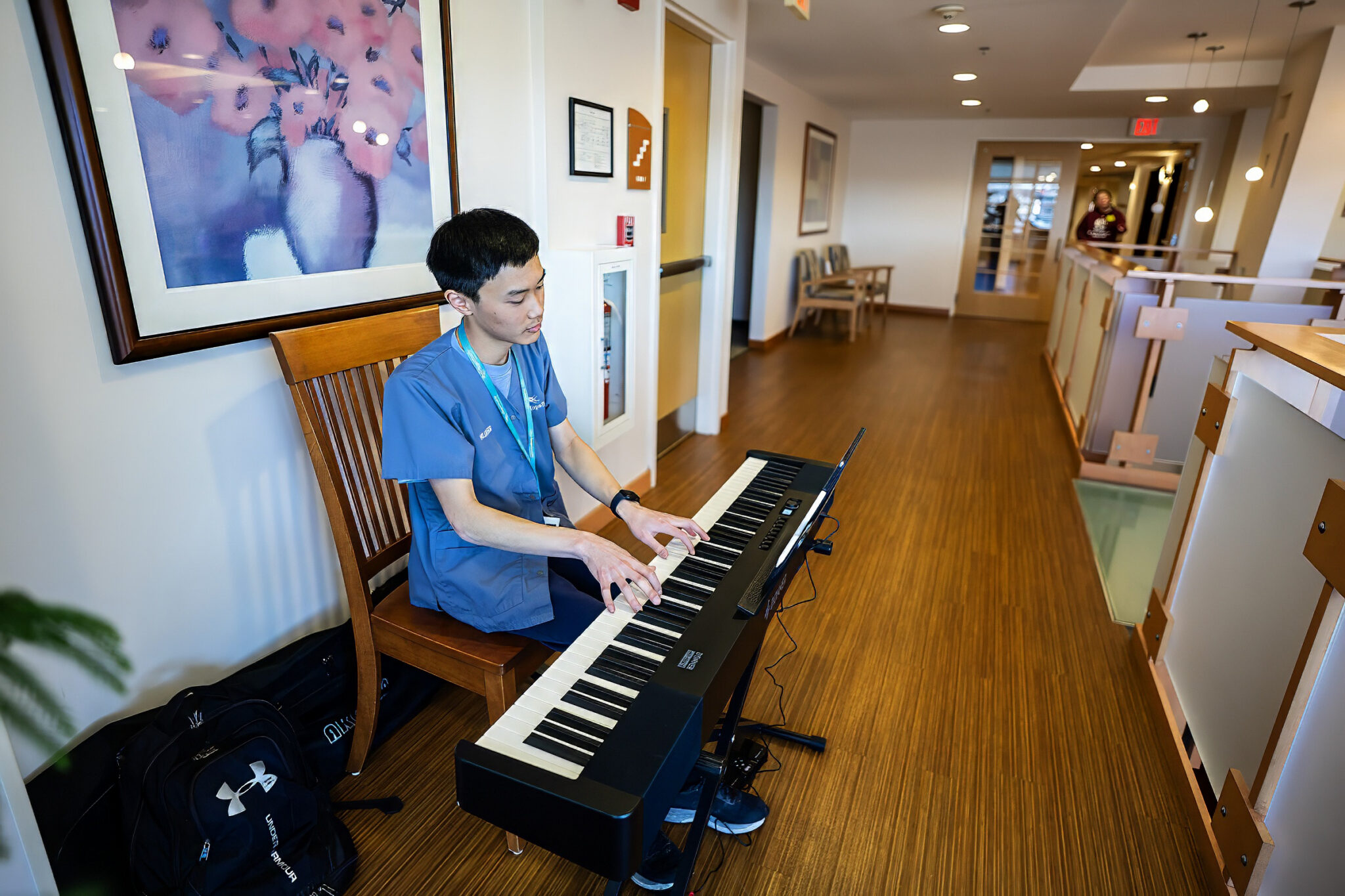
The sound of comfort: How volunteer musicians reach patients at the end of life
From bedside singers to a teenage pianist, HopeHealth volunteers use music to create connection, spark memory and bring comfort to patients and families at the end of life.
The silence between notes: A hospice companion’s story
For months, a HopeHealth volunteer earned the trust and affection of a patient with dementia. One afternoon, music unlocked memory, language — and joy.
Caregiving is hard. These mindset shifts can help.
From guilt to frustration to sheer overwhelm, caregiving can be a tough emotional journey. A fellow caregiver shares a few powerful mindset shifts that can help.
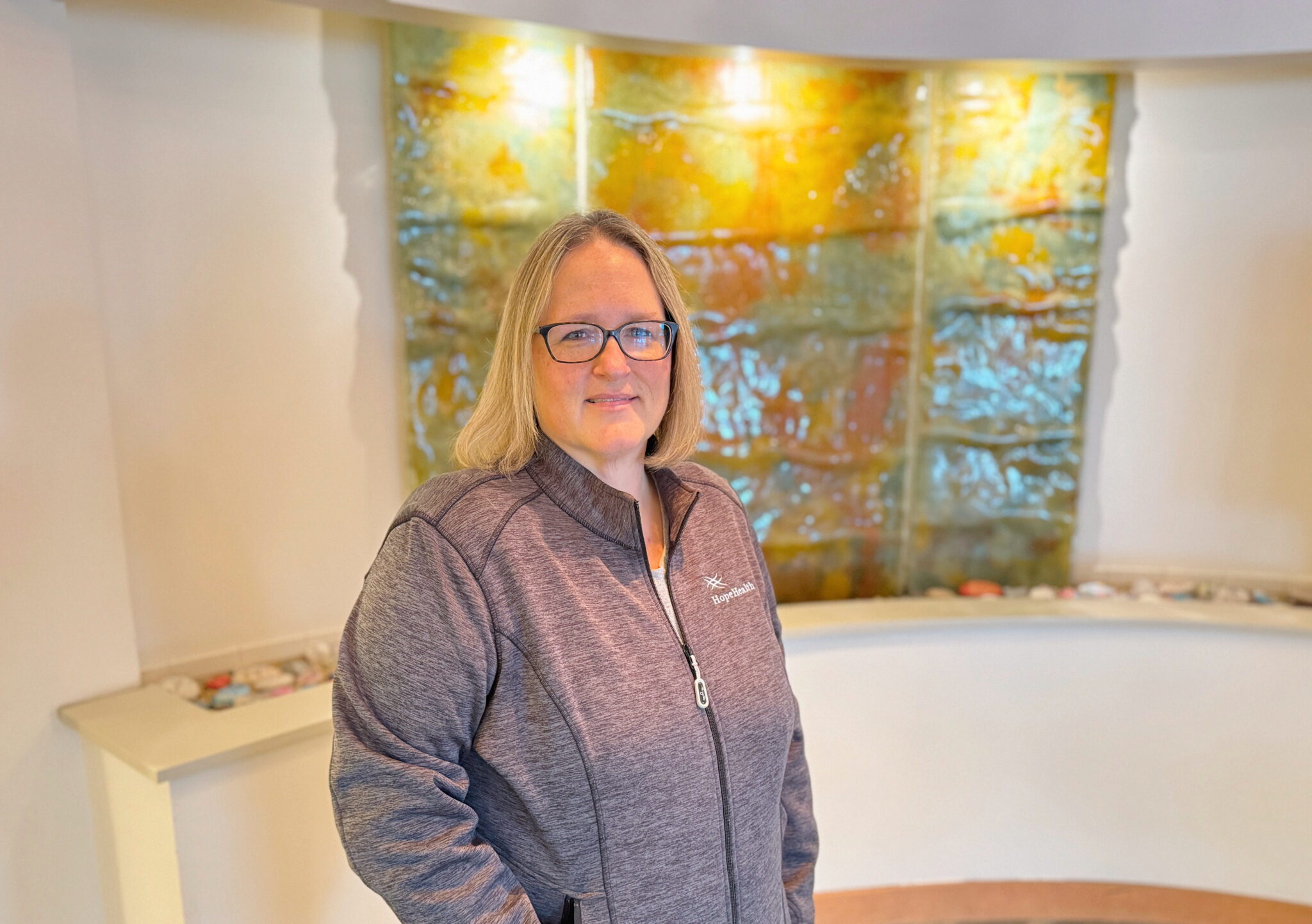
A hospice social worker on fear, honesty & the gift of time
Meet Kathleen, a hospice social worker who helps families name what feels hardest. “When you can talk about it,” she says, “you take some of that fear away.”
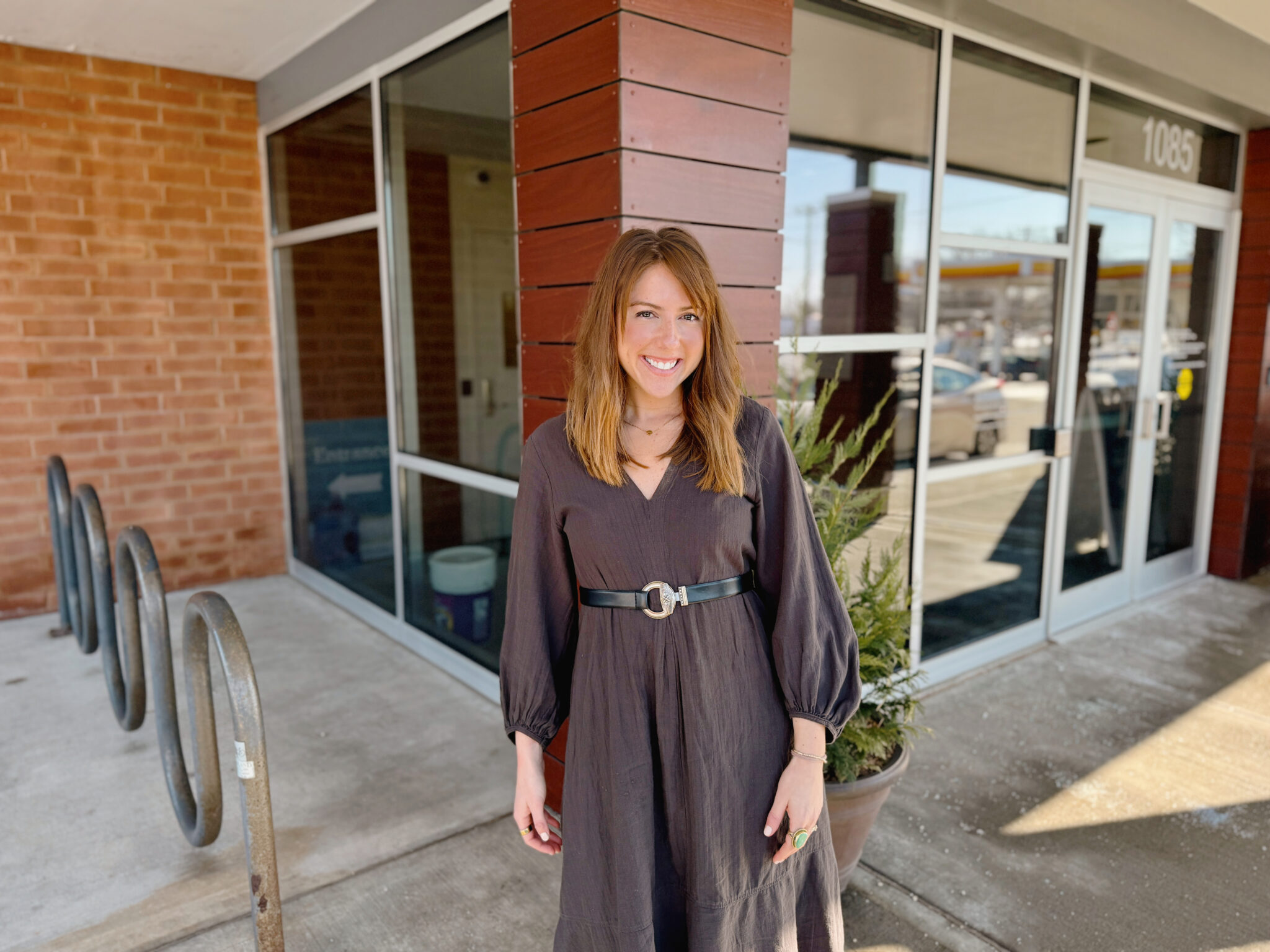
“The work I do now is for her”: How early loss shaped a grief counselor’s calling
Tess White’s childhood was shaped by loss. Now, as a HopeHealth grief counselor, she draws on her own experience to help others feel seen, heard and less alone.

Seeing hospice differently: One visitor’s experience at the Hulitar Center
When Tom brought his dog to visit a neighbor at the Hulitar Center, he expected sadness. Instead, he found kindness, calm — and a new understanding of hospice

My Life, My Story: Brown medical students learn the art of listening
Brown University medical students partner with HopeHealth volunteers to practice the art of listening — and shape more compassionate care for future patients.